Parts Sources
Parts, Materials and Suppliers
Introduction
One of the most common questions asked by prospective builders is:
"Where do I get the parts to build a Cyclekart?"
The short answer is almost anywhere.
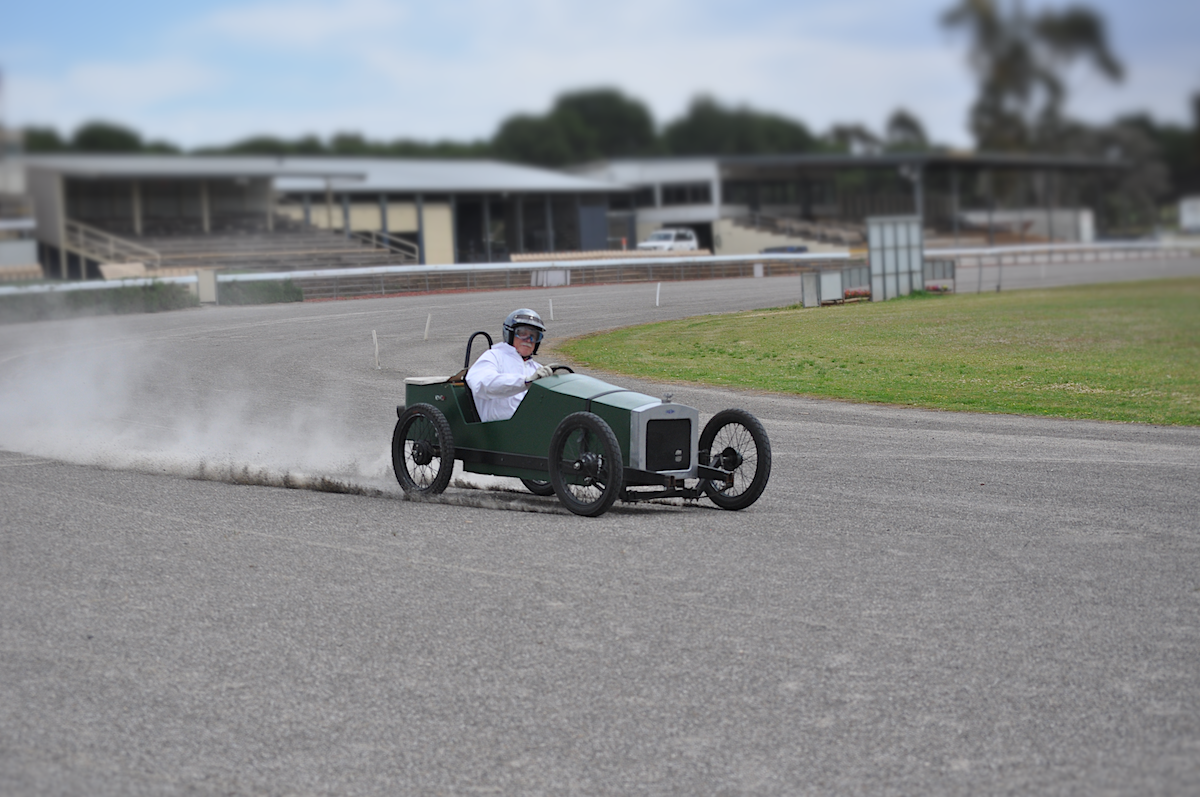
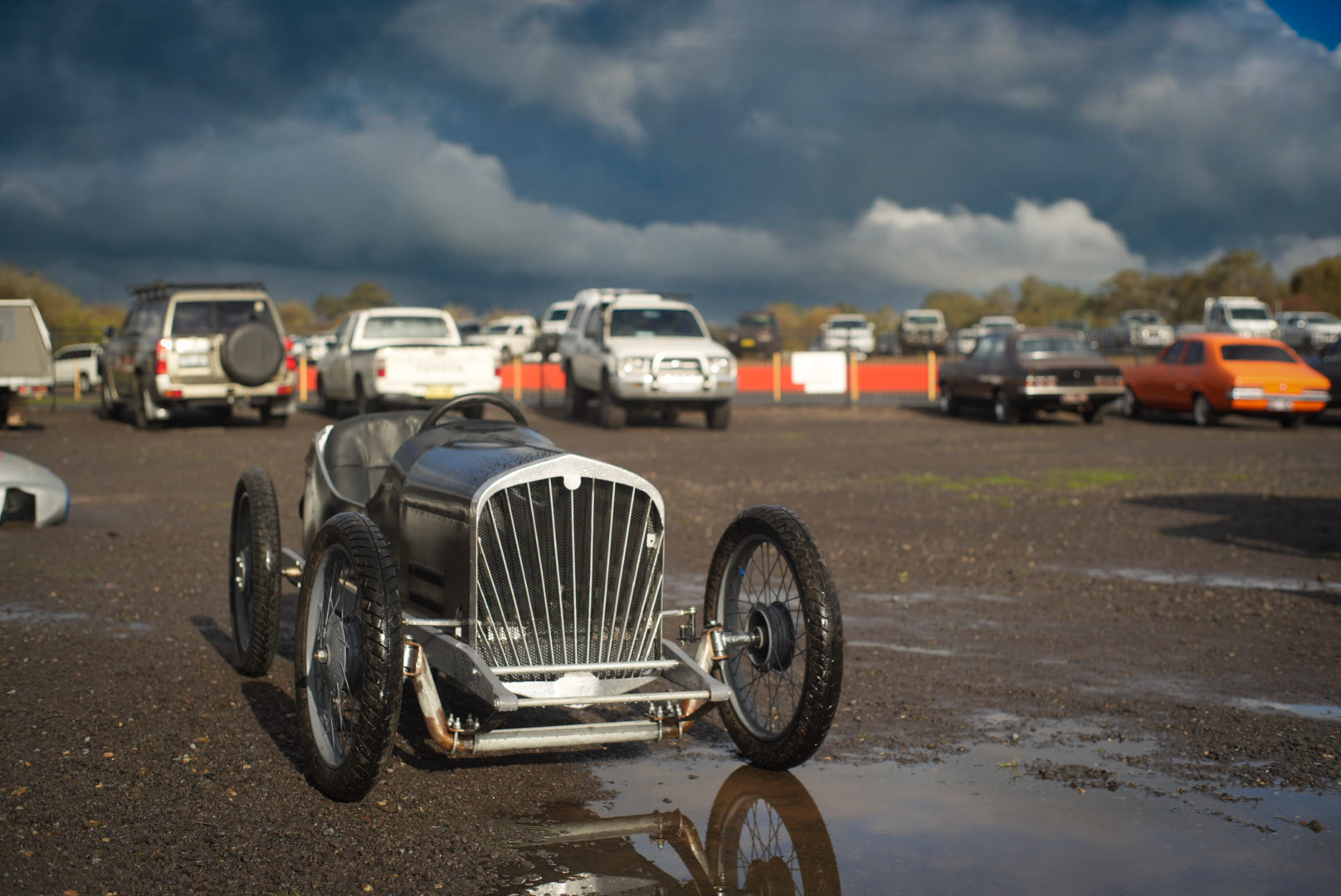
Unlike many forms of motorsport, Cyclekarts were never intended to be built from expensive purpose-built racing components. The movement was founded on the idea of creating simple, affordable machines inspired by the Grand Prix and sports racing cars of the 1920s and 1930s. Builders used whatever materials and components they could source locally, adapting and repurposing parts to suit their needs.
Today, Australian builders continue that tradition. Some Cyclekarts are constructed almost entirely from new parts sourced online, whilst others incorporate motorcycle parts, agricultural machinery, recycled materials and long-forgotten treasures discovered at swap meets and garage sales.
The purpose of this guide is to help new builders understand the major components commonly used in a Cyclekart, explain why they are used, and provide information on where they can typically be sourced in Australia.
This guide is not a rulebook and should not be interpreted as the only acceptable way to build a Cyclekart. There are many successful approaches, and builders are encouraged to be creative. The best Cyclekarts have always reflected the ingenuity and personality of their builders.
Before commencing any build, members should familiarise themselves with the current CCA Construction Standard and seek advice from experienced builders if unsure about any aspect of their design. Read the S1 Construction Standard here https://cyclekarts.org.au/safety1st
Understanding the Typical Australian Cyclekart
Whilst there are countless variations, most Australian Cyclekarts share several common features:
- 17-inch motorcycle wheels
- Beam front axle
- Leaf spring suspension
- Live rear axle
- GX200 engine
- Torque converter transmission
- Rear hydraulic disc brake
- Simple ladder chassis
- Lightweight body construction
These components have become common because they are reliable, affordable and relatively easy to obtain.
The following sections discuss each major system in greater detail.
Wheels and Tyres
The Foundation of Every Cyclekart
Wheel selection is one of the first decisions a builder will make and has a significant influence on the appearance and proportions of the finished vehicle.
Historically, Cyclekarts were based around Honda CT90 and CT110 wheels, commonly known in Australia as "Postie Bike" wheels. These wheels provided an ideal balance between size, strength and availability.
As original Honda wheels have become harder to source, builders have increasingly explored alternative options.
Honda CT90 and CT110 Wheels
Original Honda wheels remain highly sought after due to their durability and authentic appearance.
Advantages include:
- Proven reliability
- Period-correct appearance
- Strong construction
- Excellent parts availability
Potential sources include:
- Motorcycle wreckers
- Facebook Marketplace
- Gumtree
- Swap meets
- Online auction sites
Whilst prices have risen considerably in recent years, many builders still regard original Honda wheels as the benchmark.
Reproduction Wheels
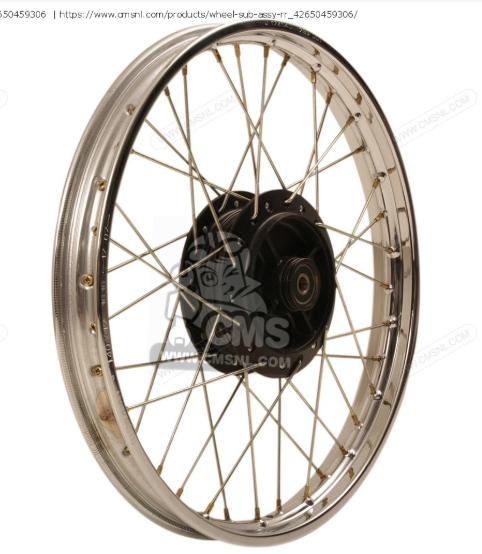
Several reproduction versions of the Honda wheels are available.
These provide an excellent alternative when original wheels cannot be sourced. However, builders should seek advice from experienced members before purchasing, as quality can vary significantly between manufacturers.
Pit Bike Wheels

Pit bike wheels have become increasingly popular within the Australian Cyclekart community.
Advantages include:
- Readily available
- Affordable
- Supplied complete with tyres and tubes
- Available new
Common tyre sizes include:
- 70/100-17
- 80/100-17
- 90/100-17
Many successful Australian Cyclekarts now utilise pit bike wheels and tyres.
You can find 17inch Pitbike Wheels from an Australian Based Seller Here https://www.ebay.com.au/itm/405293942492
Tyres
Tyre choice influences ride quality, steering feel and overall appearance.
Builders should consult the current CCA Construction Standard for permitted tyre sizes and widths.
Generally speaking, tyres between 2.50 and 3.25 inches wide provide excellent performance whilst maintaining the traditional Cyclekart appearance.
Chassis Construction
Keeping It Simple
One of the great strengths of Cyclekarting is that the chassis can be constructed using readily available materials and relatively simple fabrication techniques.
Most Australian Cyclekarts utilise either rectangular hollow section steel or tubular construction.
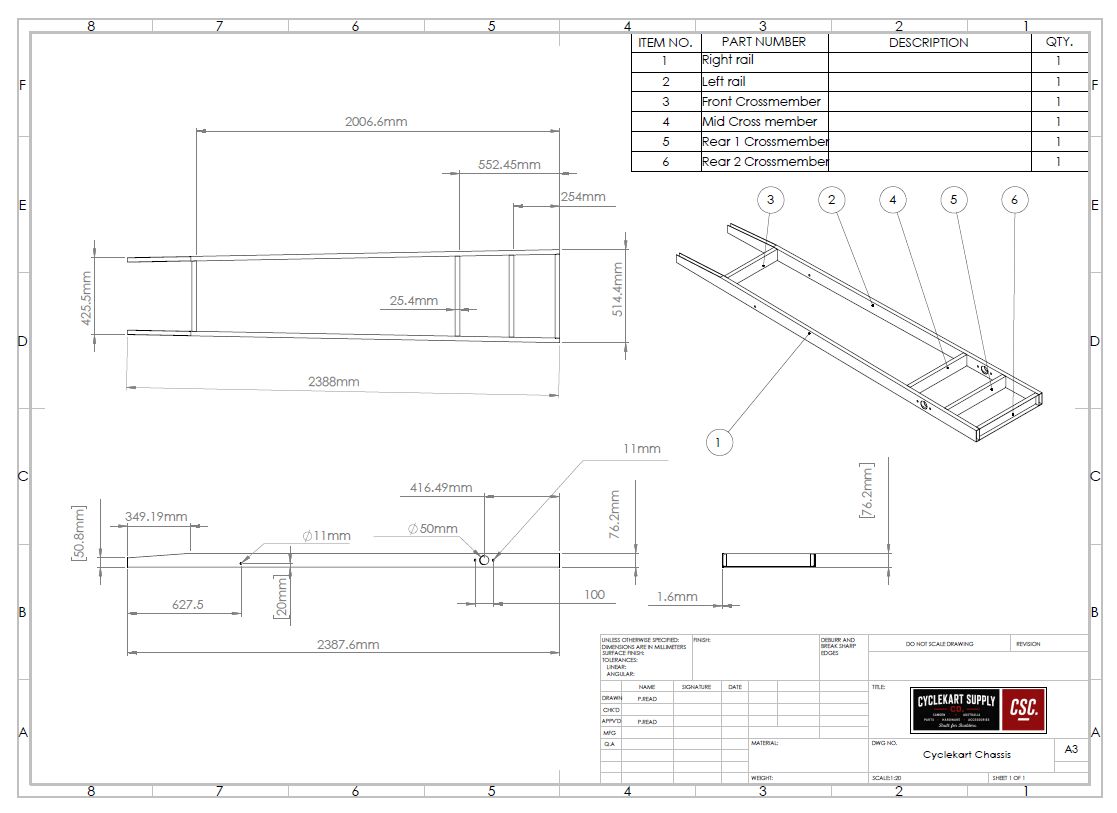
75 × 25 × 1.6 RHS
For many years this was considered the standard Australian Cyclekart chassis material.
Advantages include:
- Readily available
- Strong and durable
- Easy to weld
- Proven over many years
The larger section also provides generous mounting surfaces for suspension, steering and bodywork components.
50 × 25 × 2.0 RHS
Increasingly, Australian builders are moving towards 50 × 25 × 2.0 RHS.
Advantages include:
- Smaller external dimensions
- Reduced weight
- Easier packaging within narrow bodywork
- Excellent availability
Many modern Australian builds have demonstrated that this material provides more than adequate strength whilst allowing greater flexibility in chassis design.
Tubular Chassis Construction
Some builders choose to replicate the appearance of period racing cars by constructing tubular chassis frames.
Whilst generally requiring more fabrication effort, tubular construction can produce extremely attractive and authentic-looking vehicles.
Regardless of material selection, builders should focus on achieving adequate strength, good geometry and quality workmanship.
If you aren’t using recycled materials for your chassis, it is recommended to source your steel from a local to you steel supplier rather than the big green shed with the sausages out the front. A local supplier can be upto 70% cheaper and will also cut your metal to length
Front Suspension
Suspension Styles in Australian Cyclekarts
There is no single suspension design used throughout the Cyclekart community. However, several arrangements have become common over time.
The most popular by far is the parallel leaf spring arrangement.
Parallel Leaf Springs
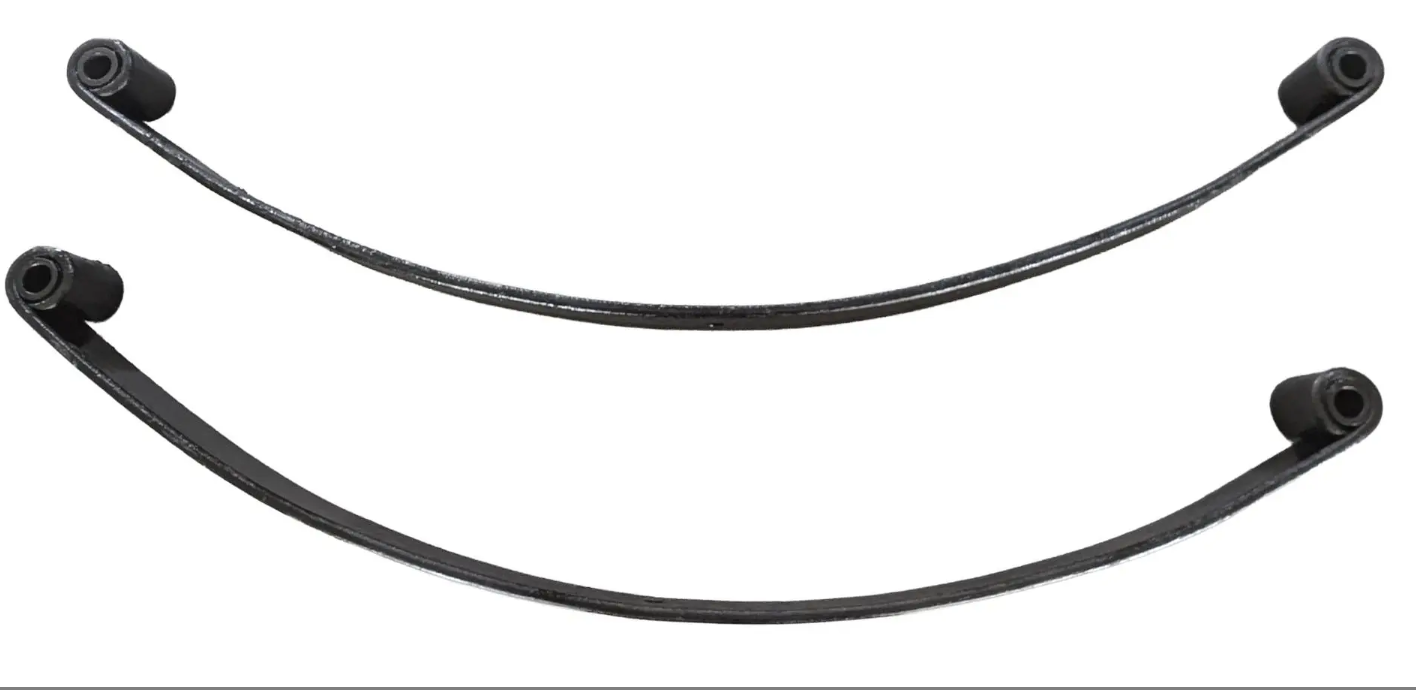
Most Australian Cyclekarts utilise two longitudinal leaf springs mounted parallel to the chassis rails.
Advantages include:
- Simple construction
- Proven performance
- Easy packaging
- Excellent axle control
- Straightforward fabrication
This arrangement traces its heritage back to the original Stevenson Cyclekart designs and remains the most common setup seen at Australian events today.
Transverse Leaf Springs
Some builders choose to use a single transverse leaf spring mounted across the chassis.
This arrangement is particularly popular amongst builders recreating vehicles such as Austin Sevens and certain other vintage racing cars where a transverse spring is visually important to the character of the vehicle.
Advantages include:
- Authentic appearance for some vehicles
- Fewer components
- Distinctive engineering solution
The design and axle location requirements are generally more complex than parallel leaf springs, but when executed correctly they can provide excellent results.
Other Suspension Arrangements
Australian builders have successfully experimented with:
- Quarter-elliptic springs
- Cantilever leaf springs
- Austin Seven inspired beam axle systems
- Hybrid arrangements
Cyclekarting has always encouraged innovation, and suspension design is no exception.
Spring Selection
Choosing the correct spring is critical.
Many first-time builders attempt to adapt trailer or automotive springs, only to discover they are excessively stiff.
A spring that is too stiff may provide little meaningful suspension movement, reducing ride quality and potentially affecting handling.
Builders are encouraged to seek advice from experienced members before committing to a particular spring design.
The CCA produces its own leaf springs that are specifically designed for cyclekarts. They are Australian Made and the club ships springs Australia-wide. Even better, financial members of the club receive big discounts!
Buy a set of Springs here https://cyclekarts.org.au/shop/ck-spring-cyclekart-leaf-springs-17
Rear Axles and Driveline Components
The 25mm Live Axle Standard
Most Australian Cyclekarts utilise a 25mm live axle.
The popularity of this size stems from the widespread availability of compatible karting components.
A typical rear axle assembly consists of:
- 25mm live axle
- Pillow block bearings
- Wheel hubs
- Sprocket carrier
- Brake rotor hub
- Shaft collars
This arrangement has proven reliable and cost effective across hundreds of Australian builds.
Whilst being the most common, its definitely not the only way to do it. You can also use 30, 35 or even 40mm axles if they are easy for you to source.
Bearings
Self-aligning pillow block bearings are the most common choice.
They are:
- Affordable
- Easy to install
- Readily available
- Tolerant of minor alignment errors
Two bearings are typically sufficient for most applications.
Available on ebay
https://www.ebay.com.au/itm/117251189576
https://www.ebay.com.au/itm/117251202869
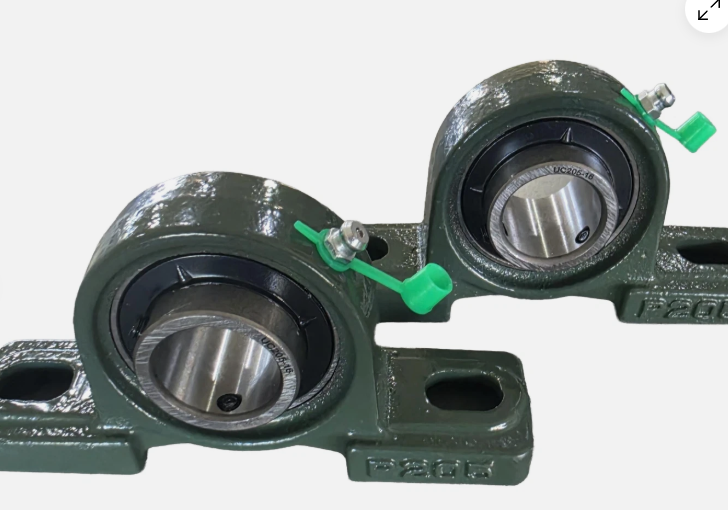
Or through Cyclekart Supply Co
https://www.cyclekartsupplyco.com.au/collections/bearings
Hubs and Adaptors
A wide variety of hub arrangements are currently used throughout Australia.
These include:
- Traditional go-kart hubs
- Motorcycle wheel adaptors
- Custom-machined solutions
- Commercially available wheel adaptor systems
Builders should ensure adequate strength and proper engagement between hubs and wheels.
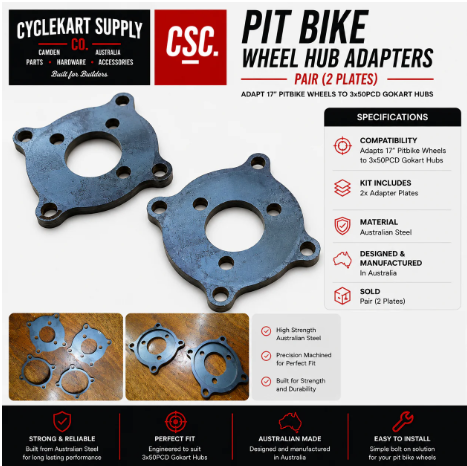
Cyclekart Supply Co sells a range of adapters to mate sprockets, wheels and brake discs to standard 25mm bore 3x50PCD go-kart hubs
https://www.cyclekartsupplyco.com.au/collections/bearings
https://www.ebay.com.au/itm/178009657574
Steering Systems
Simplicity is Key
Cyclekart steering systems are generally uncomplicated.
Most consist of:
- Steering wheel
- Steering shaft
- Pitman arm
- Tie rods
- Rod ends
- Front spindles
The individual components are less important than the overall geometry.
Steering Geometry
Several factors influence steering performance:
- Ackermann geometry
- Caster angle
- Kingpin inclination
- Bump steer
Builders who take the time to understand these concepts are often rewarded with significantly improved handling and reduced tyre wear.
Many steering issues attributed to component selection are actually geometry problems.
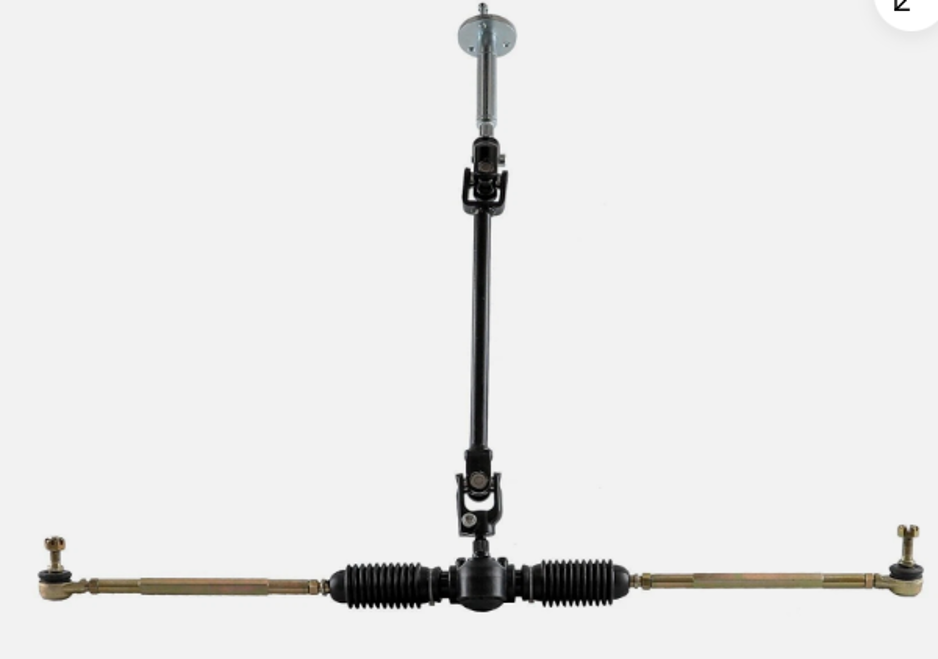
Rack and Pinion Assemblies are available on Ebay Here
https://www.ebay.com.au/itm/115866473789
Spindles
Builders may choose to:
- Purchase kart spindles
- Modify existing components
- Fabricate custom spindles
Each approach has advantages depending upon the desired appearance and fabrication capabilities of the builder.
Making your own front axle? These spindles make it easy. Note if you are using pitbike wheels you will need to mill the shaft down further.
https://www.ebay.com.au/itm/115866473141
Braking Systems
Rear Brakes Only
The current CCA Construction Standard permits rear wheel braking only.
This arrangement is simple, effective and consistent with the traditional Cyclekart philosophy.
Front brakes tend to affect steering and are not permitted under CCA Rules.
Hydraulic Disc Brakes
Most modern Australian Cyclekarts utilise hydraulic disc brakes.
Typical systems consist of:
- Brake pedal
- Master cylinder
- Hydraulic brake hose
- Brake caliper
- Brake rotor
Hydraulic systems provide excellent braking performance whilst remaining affordable and readily available.
Brake Line Considerations
Many commercially available kart brake kits are designed for conventional kart layouts.
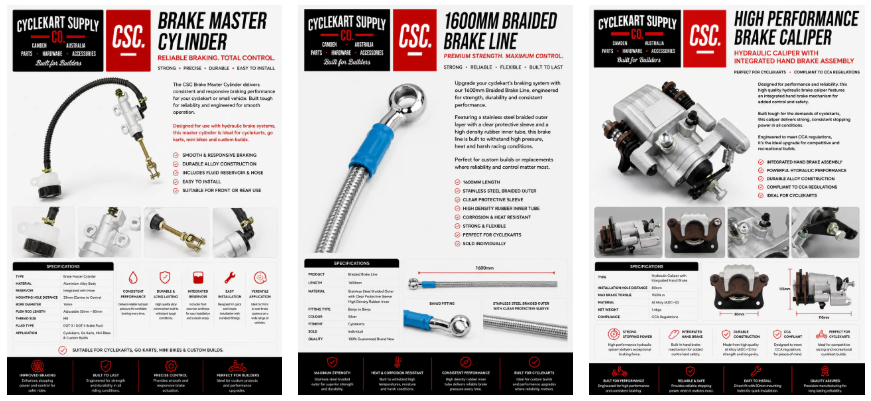
Builders should verify hose lengths before purchase, as Cyclekarts often require longer brake lines due to differing chassis layouts.
Get your brake parts here
https://www.cyclekartsupplyco.com.au/collections/brakes-and-components
Engines
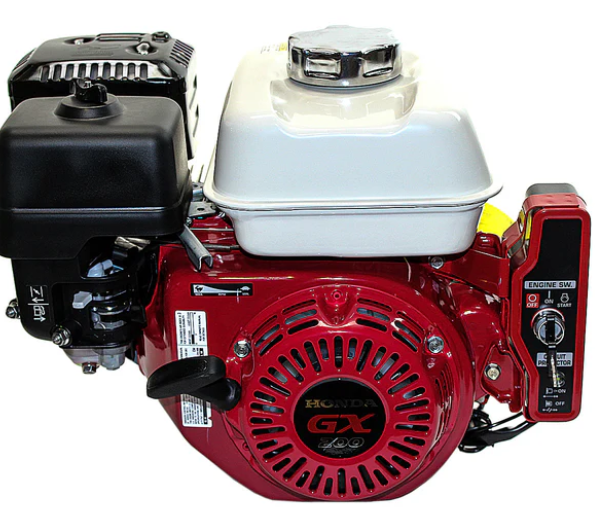
Honda GX200
The GX200 remains the benchmark Cyclekart engine worldwide.
Its popularity stems from:
- Reliability
- Excellent parts availability
- Strong aftermarket support
- Simple maintenance
Many GX200 engines continue operating reliably after years of service.
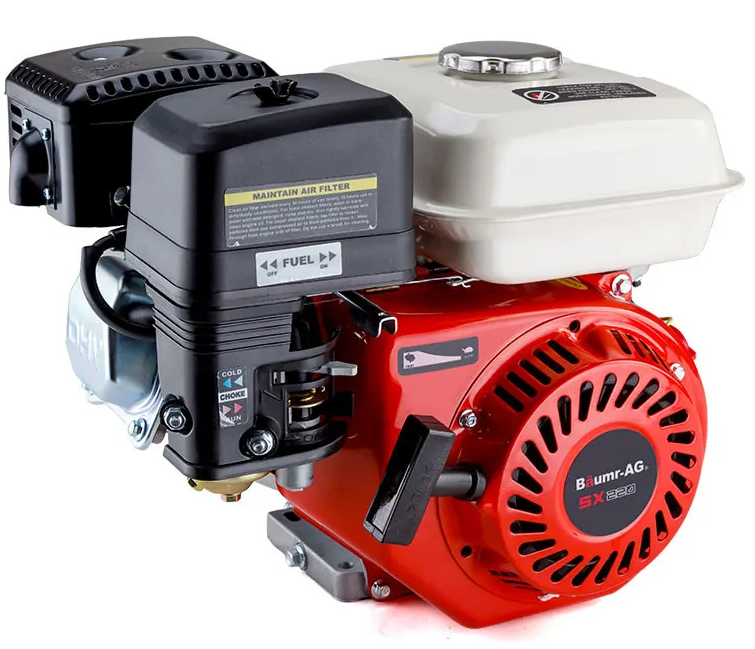
Clone Engines
GX200 clone engines have become extremely popular within Australia.
Advantages include:
- Lower purchase cost
- Wide availability
- Mechanical compatibility with Honda components
When sourced from reputable suppliers, clone engines can provide outstanding value.
Performance Modifications
Numerous upgrade options exist for GX200-based engines.
Common modifications include:
- Carburettor upgrades
- Exhaust upgrades
- Valve train improvements
- Flywheel replacement
- Governor removal
Builders should always ensure modifications remain compliant with the current CCA Construction Standard. The max permitted horsepower rating is 10HP.
Johno & Jono Clone Engines
CPR Kart Parts
Genuine Honda GX200
https://www.hendersonmowers.com.au/display/275-honda-gx200-engine?gad_source=1&gad_campaignid=21462019569&gbraid=0AAAAADAHRxO0H-16kulYi5O9ra1eJde8Q&gclid=Cj0KCQjwi8nRBhDhARIsAHZf_pZC0DH8W6jD0ZTqvw_ExyX45V7EdCb1NceVS5X3yNU0iTEpqKVoJ4oaAs6hEALw_wcB
Torque Converters, Chains and Sprockets
Why Torque Converters Became Popular
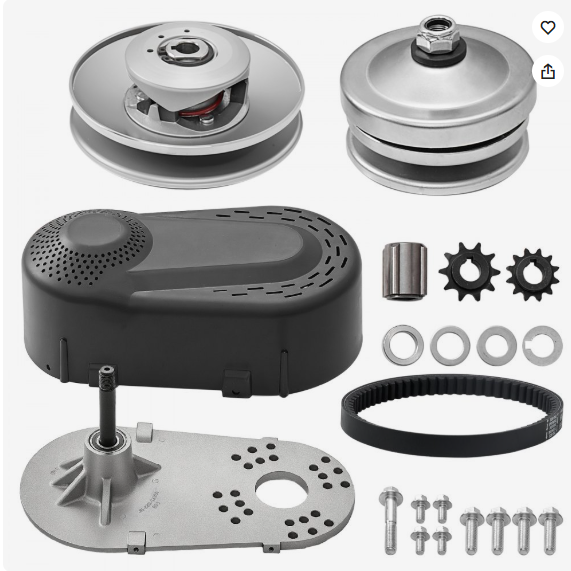
The TAV2-style torque converter has become the preferred transmission solution for Australian Cyclekarts.
Compared with a simple centrifugal clutch, a torque converter provides:
- Improved acceleration
- Better hill climbing ability
- Reduced belt shock
- Lower take-off speeds
- Improved drivability
For many builders it represents one of the best performance upgrades available.
Torque Converters available here
Chain Selection
The most common chain sizes are:
- #35 Chain
- #420 Chain
Both systems are widely used and capable of providing reliable service when correctly maintained.
Sprockets
Sprocket selection determines the final drive ratio and has a significant impact on vehicle performance.
Factors influencing sprocket selection include:
- Wheel diameter
- Engine speed
- Vehicle weight
- Intended use
Many builders begin with proven combinations used by existing CCA members before experimenting with alternative gearing.
Sprockets and Chains Available here
https://www.cyclekartsupplyco.com.au/collections/chains-and-sprockets
Body Construction
The Artistic Side of Cyclekarting
Whilst the mechanical components are important, it is the bodywork that gives each Cyclekart its unique character.
Body construction is often the area that intimidates new builders most, yet it is also one of the most rewarding aspects of the project.
Traditional Plywood Construction
The original Stevenson designs used simple plywood bodywork mounted between the chassis rails.
Advantages include:
- Inexpensive materials
- Easy construction
- Minimal tooling requirements
- Easy modification
Many beautiful Cyclekarts have been built using little more than plywood, glue and paint.
Aluminium Construction
Some builders choose to fabricate aluminium bodywork.
Advantages include:
- Lightweight construction
- Excellent appearance
- Authentic period feel
The required skills and tools are generally more demanding than plywood construction.
Fibreglass and Composite Bodies
Fibreglass offers tremendous freedom of shape and detail.
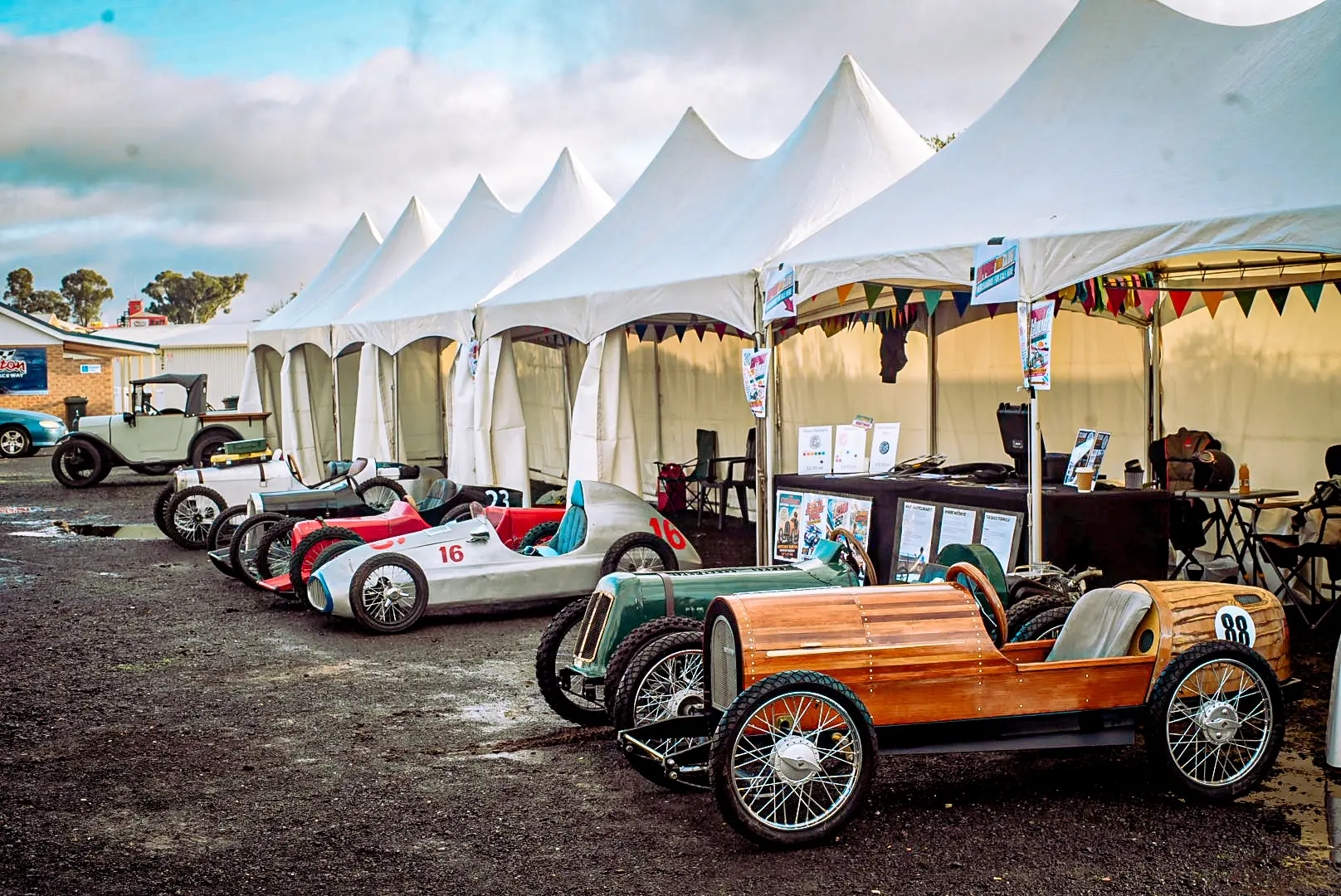
Some builders have created highly accurate reproductions of famous racing cars using composite construction techniques.
Creative Solutions
Over the years Australian builders have utilised:
- Old canoes
- Pedal cars
- Tractor components
- Agricultural equipment
- Vintage furniture
- Salvaged metalwork
- Kitchen Sinks
- Pools
Creativity has always been one of the defining characteristics of Cyclekarting.
Australian Suppliers
Australia is fortunate to have several suppliers familiar with Cyclekart requirements.
Cyclekart Supply Co.
Cyclekart Supply Co. was established specifically to support Australian Cyclekart builders.
Products include:
- Axles
- Bearings
- Brake systems
- Steering components
- Torque converters
- Chains and sprockets
- Wheel adaptors
- Fabricated Cyclekart-specific parts
The business was created to improve local availability of commonly used Cyclekart components and reduce dependence on overseas suppliers.
CPR Kart Parts
CPR Kart Parts provides a broad range of karting and GX200 engine components suitable for Cyclekart construction.
Lightning Karts
Lightning Karts supplies axle components, bearings and a variety of karting hardware suitable for Cyclekart applications.
Johno & Jono
A popular source for GX200 clone engines and related equipment.
Other Sources
Builders should never underestimate the value of:
- Motorcycle wreckers
- Swap meets
- Facebook Marketplace
- Gumtree
- Garage sales
- Farm clearing sales
- Local engineering workshops
Many of the most interesting Cyclekarts contain parts that would never appear in a catalogue.
Final Thoughts
The purpose of this guide is not to tell you how your Cyclekart should be built.
Rather, it is intended to provide a starting point and help remove some of the uncertainty that often accompanies a first build.
Every experienced Cyclekart builder remembers standing exactly where you are now—trying to determine which parts were needed, where they could be found and how they would all fit together.
The good news is that Cyclekarting remains one of the most accessible forms of motorsport-inspired vehicle construction available today. Most components can be sourced locally, fabrication requirements are modest, and the community is always willing to help.
Don't be afraid to ask questions, seek advice and learn from those who have gone before.
Most importantly, don't let the pursuit of perfection prevent you from getting started.
The best Cyclekart is not the most expensive, the most historically accurate or the most technically advanced.
The best Cyclekart is the one that gets built, driven and
enjoyed.
Lightning Karts - Nailsworth, South Australia
| Description | Price (Typical) | |
 | 25mm Solid Axle with 6mm Keyways https://www.lightningkarts.com.au/index.php?select=66&productType=469&product=530 | $120 |
CPR Kart Parts - Brisbane, Queensland
| Description | Price (Typical) | |
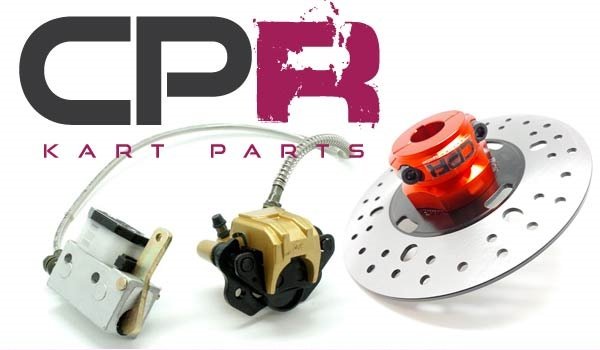 | Hydraulic Brake Kit to suit 25mm Axle Includes Brake Master Cylinder, Caliper and 25mm Rotor Assembly. Note you may have to replace the hose with something longer to suit your application https://cprkartparts.com.au/product/pack-hydraulic-brake-kit-including-master-calliper-plus-brake-disc-hub-suit-25mm-shaft/ | $169.90 |
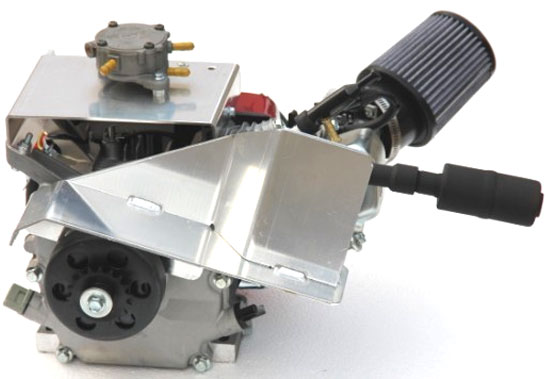 | 10HP Ugrade Kit for GX200 and clones Want more power? This is a hop up kit that when paired with governor removal and flywheel upgrade, will get you to the max allowed 10hp. All the parts ready to go in one kit https://cprkartparts.com.au/product/upgrade-kit-10hp-hop-up-for-4-stroke-engine-gx200-lifan-ohv-6-5hp-192cc-complete/ | $279 |
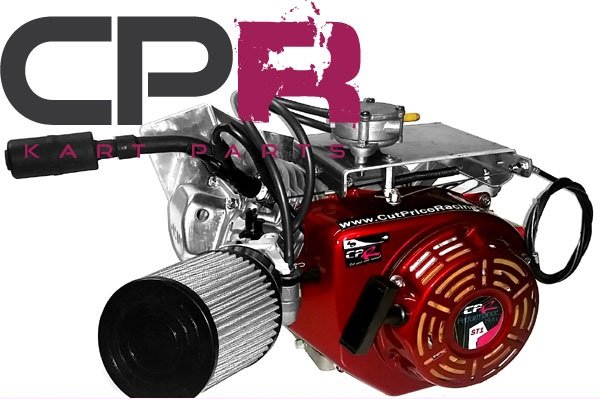 | CPR Lifan 10hp GX200 Crate Motor 10hp GX200 motor ready to go out of the box. No need to change carbs or pop the casing to remove the governor, its all done for you. | $599 |
 | Pedals Get your kart racing with a pair of pedals for you accelerator and brake assemblies | $59.90 |
eBay List
| Description | Price (Typical) | |
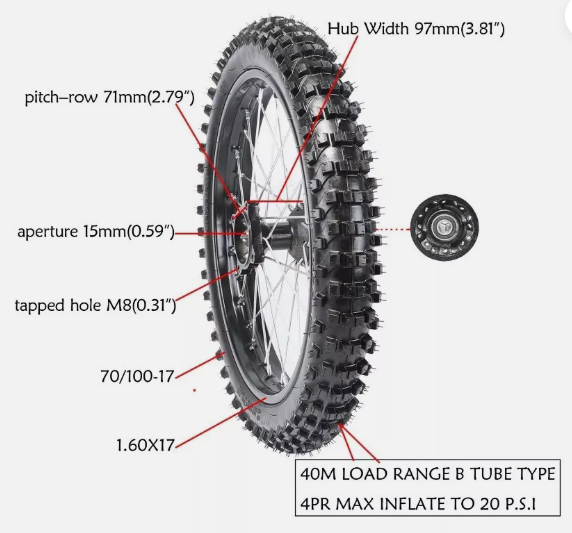 | 17in Front Wheel 70/100-17 Tyre Tube Rim for DIY Atomik Pit Dirt Bike Apollo SSR | $115.99each. Australian Seller |
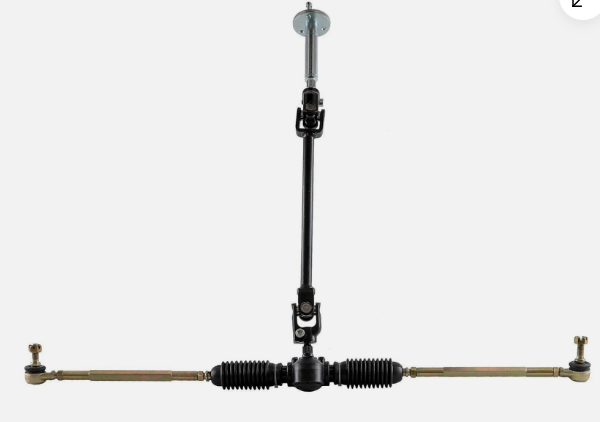 | 440mm Power Steering Gear Shaft Rack Pinion Tie Rod Assembly for ATV Go Kart | $126.88 |
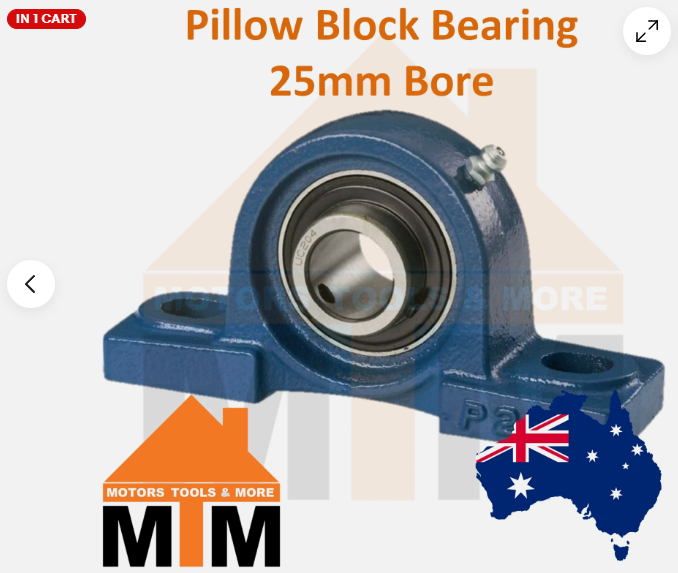 | Pillow Block Bearing Self Aligning Bottom Foot Mount Housing 25mm Bore Pillow block bearings for mounting your 25mm Solid Axle. You will require 2. | $14.47ea |
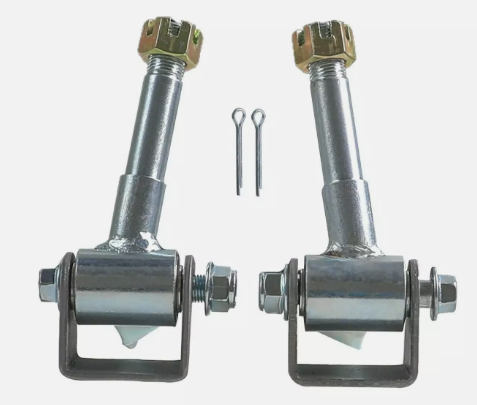 | Pair Go Kart Front Steering Axle Spindle Knuckle For Electric ATV Buggy Quad AU Making your own front axle? These spindles make it easy. Note if you are using pitbike wheels you will need to mill the shaft down further. | $59.89 pair |
Johno & Jono
| Description | Price (Typical) | |
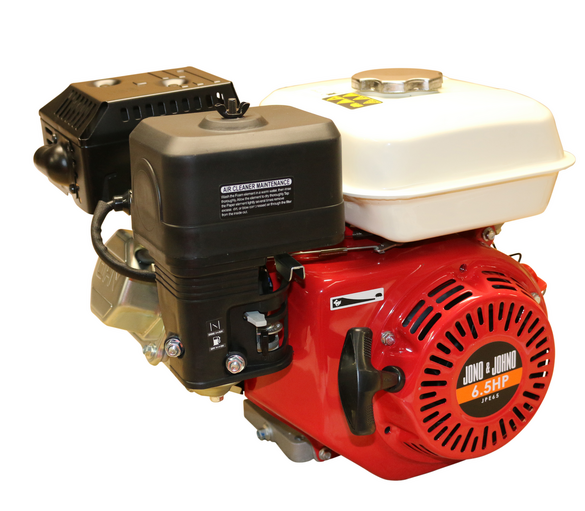 | GX200 Clone 6.5hp Horizontal Shaft Engine. One of the cheaper GX200 clones out there The shaft on this engine is 19mm. CHECK REQUIREMENT BEFORE ORDERING | $199 |
Revision History
2019-07-03 - Updated bearing size for front hub. Correct size for using a 5/8" UNF bolt as the spindle is a 6202.2RS Bearing (35x16x11)
2019-11-04 - Added details for tyres & wheel refurbishment costs
2023-10-08 - Added details for electric start and Link to Steve Vinsons Amazon list.
2023-11-30 - Added 25mm x 1000mm GoKart Axle
2024-01-15 - Created Amazon List + replaced old list
2026-01-18 - More Parts Added
2026-06018 - Revision 2 Rebuild