Skip to Content
Brooklands Bentley
CycleKarts 16/12/2018

Brooklands Bentley

Created by
Mick

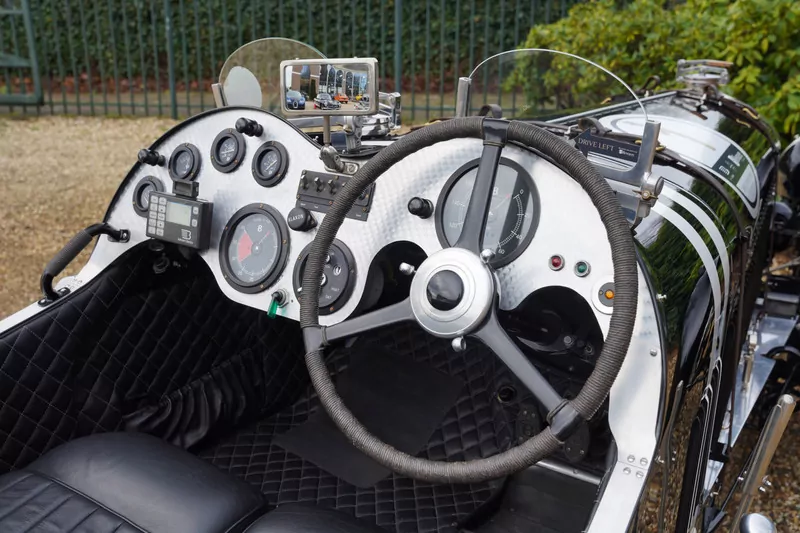
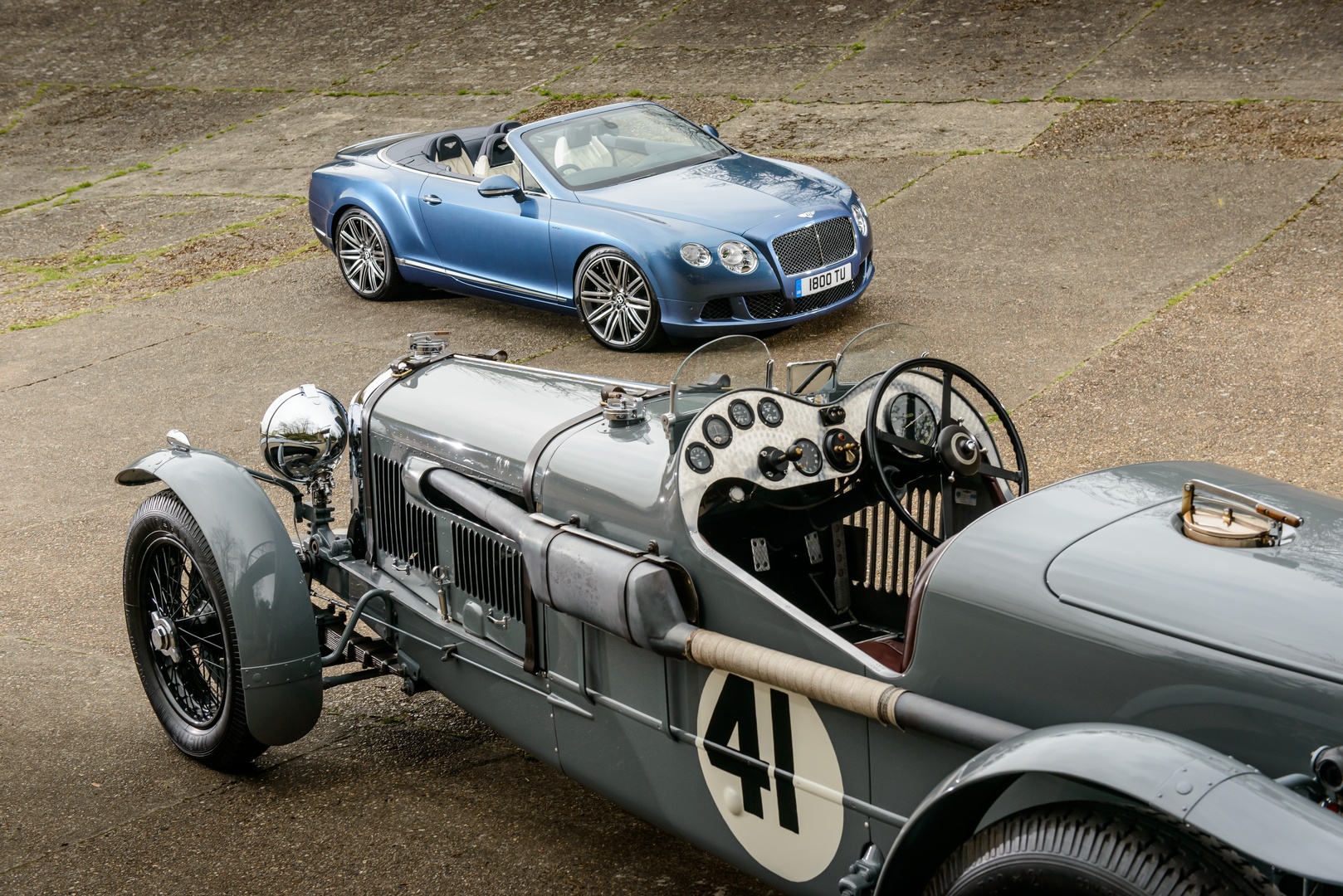
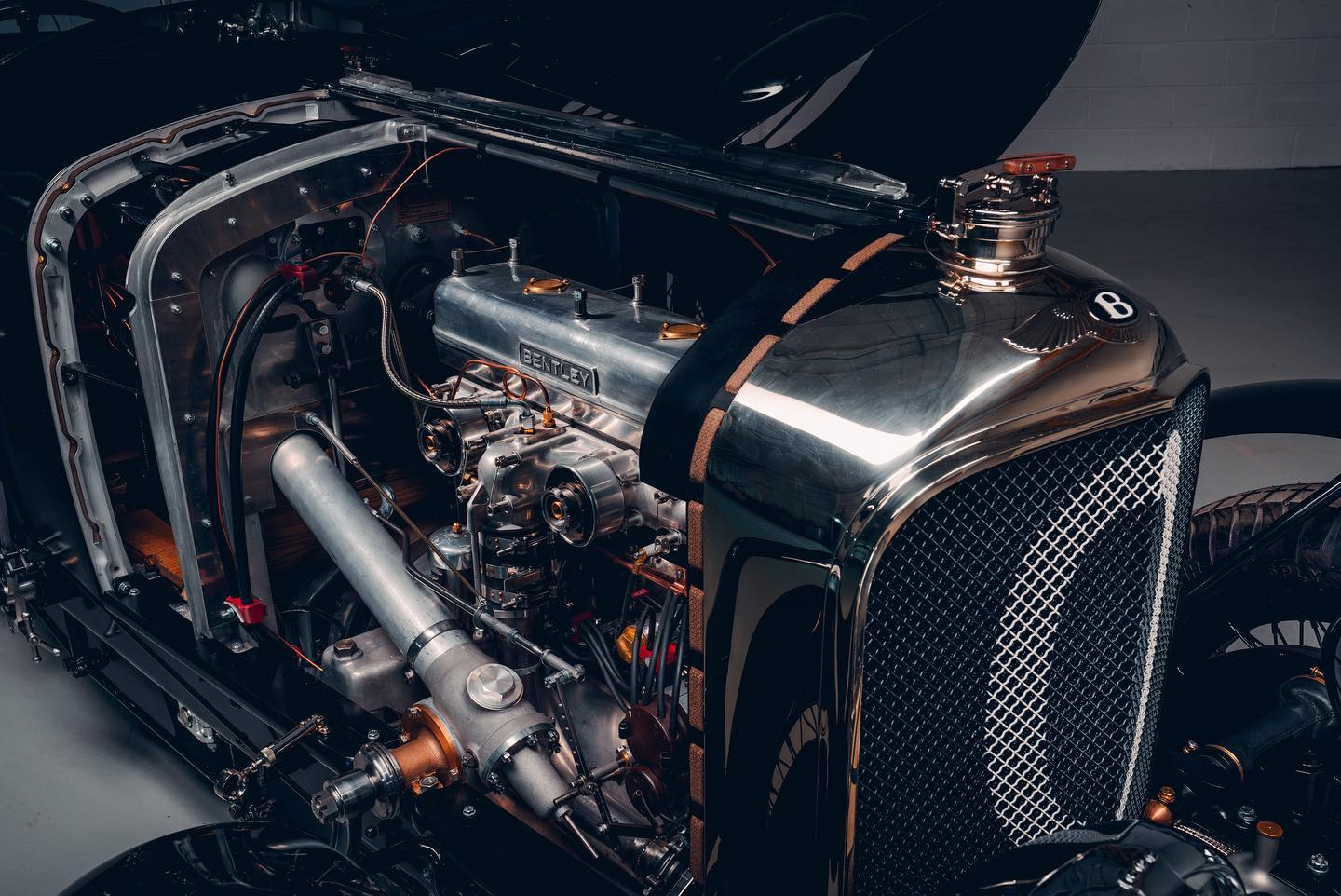
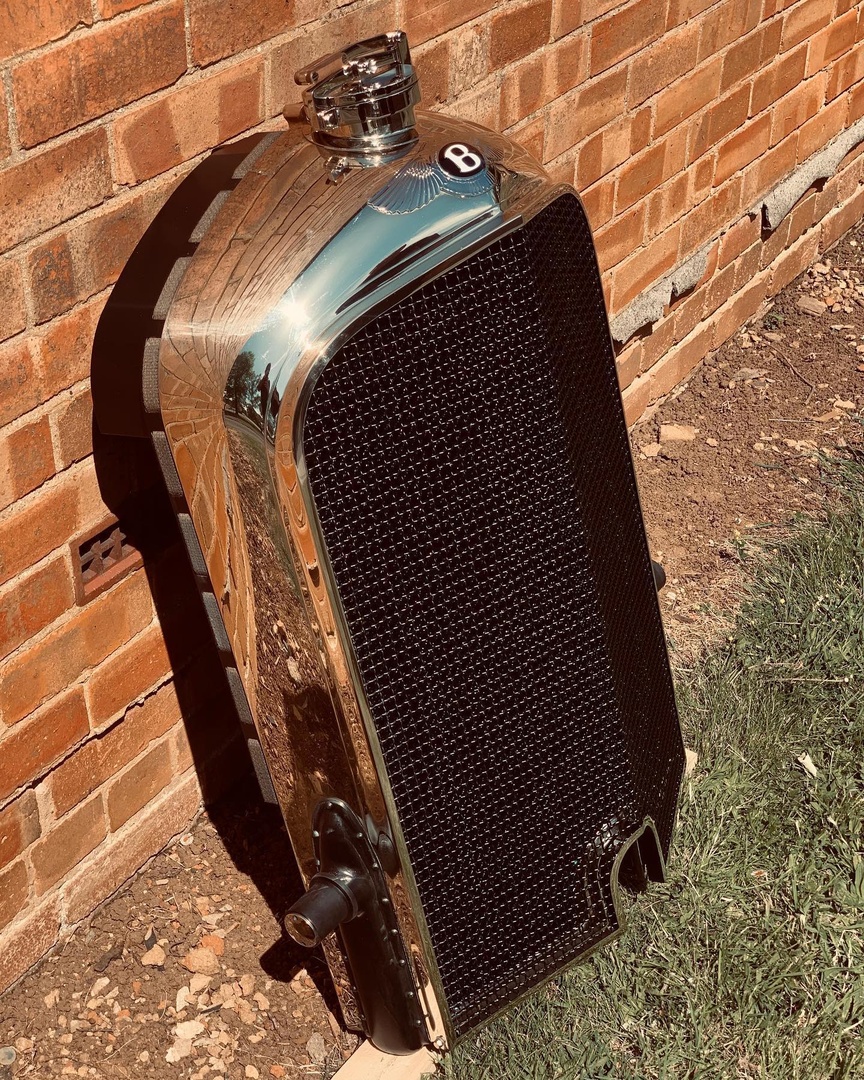
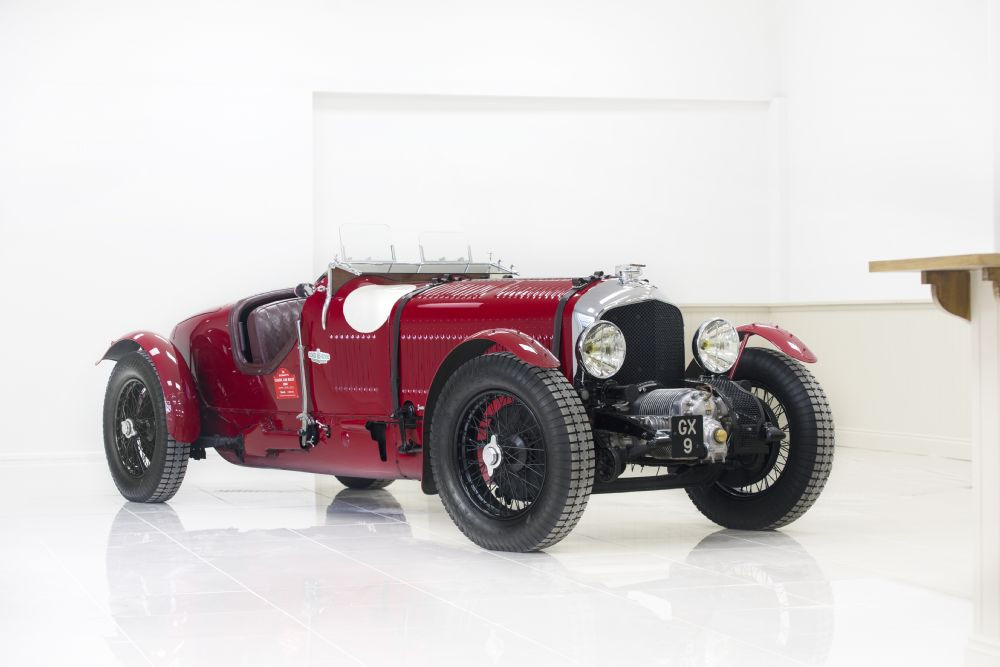
The inspiration for this build is the Blower Bentleys of the early 1930's. One of the most iconic car of the pre-war racers. The Blower Bentley was developed to replace the Bentley six, a huge and heavy car which Ettore Bugatti once famously referred to as "/the world's fastest lorry/" The addition of the blower to the 130hp 4 1/2 litre engine, increased power to a massive 240hp, easily besting the power made from the Six but with a fraction of the weight. But whilst the power was formidable, it came at the cost of reliability. Bentley’s Racing Manager, Nobby Clarke once said: “The Blower eats plugs like a donkey eats hay”. AC/DC singer and car enthusiast Brian Johnson cited the 4½ Litre Le Mans as the best car he'd driven: "/The first time I saw it, everything went north on us, except me jaw – that went south. I just had to have it. That car, I think, is a masterpiece… It was ludicrously expensive – I mean, just crackers./"

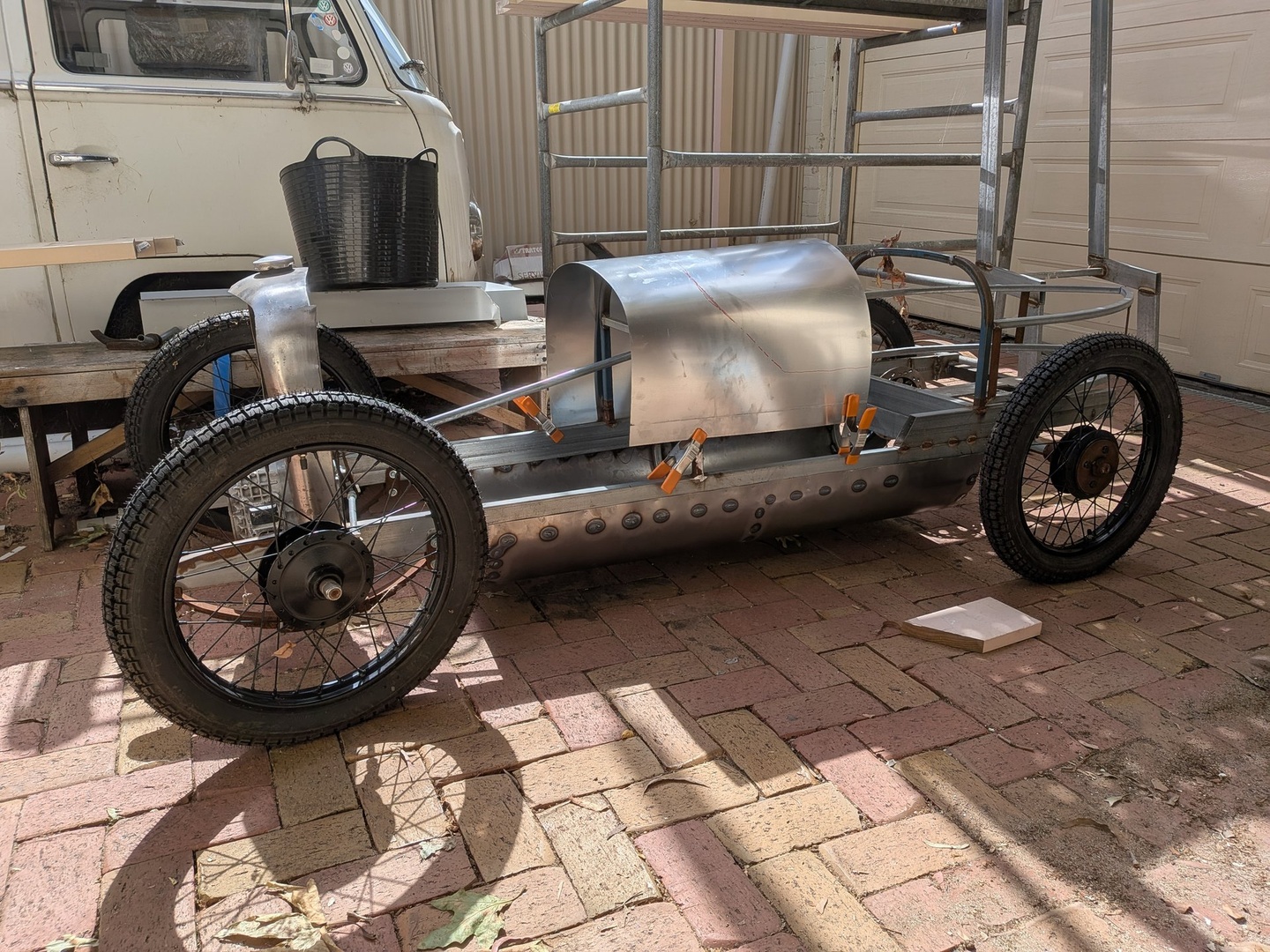
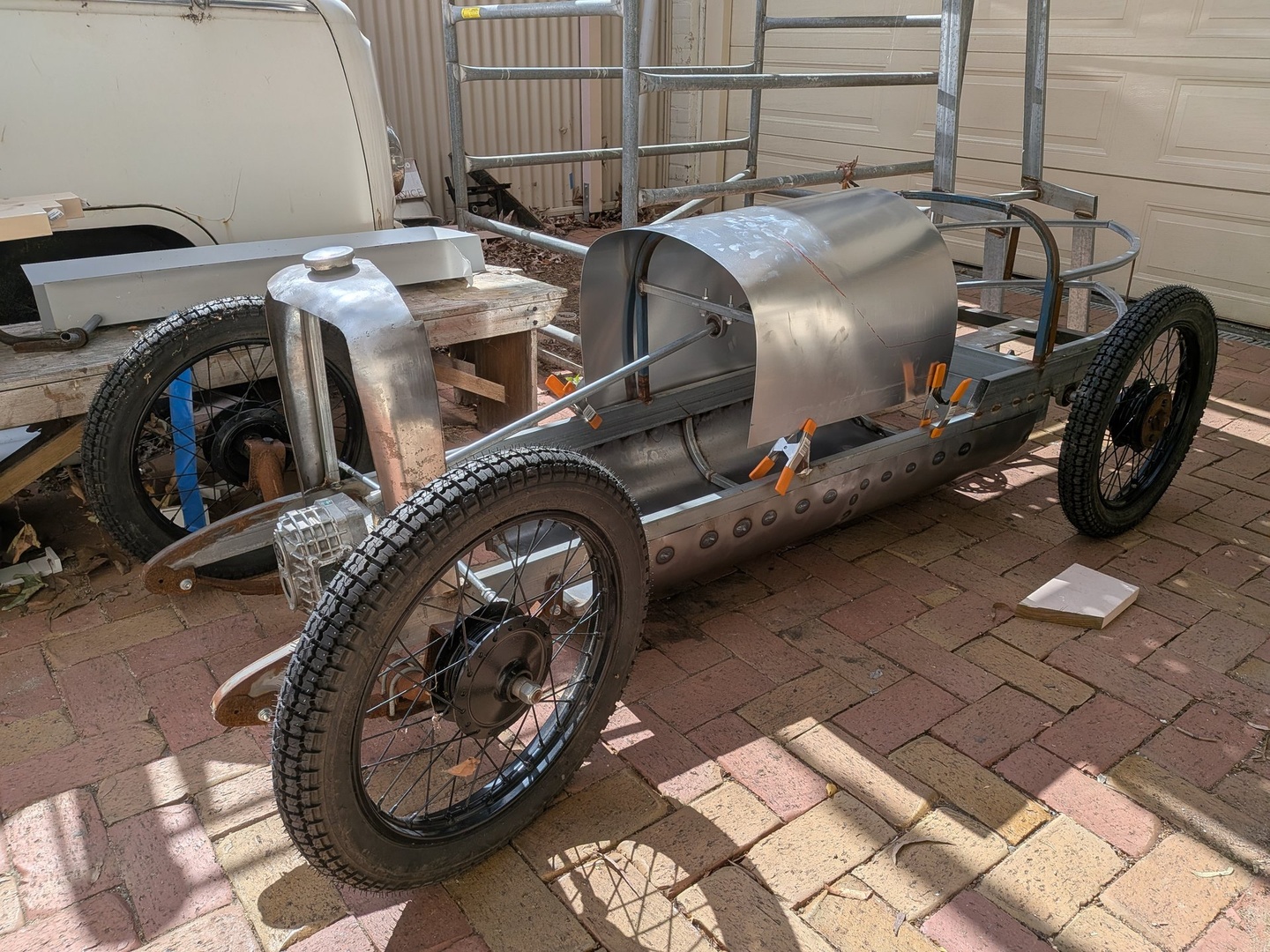
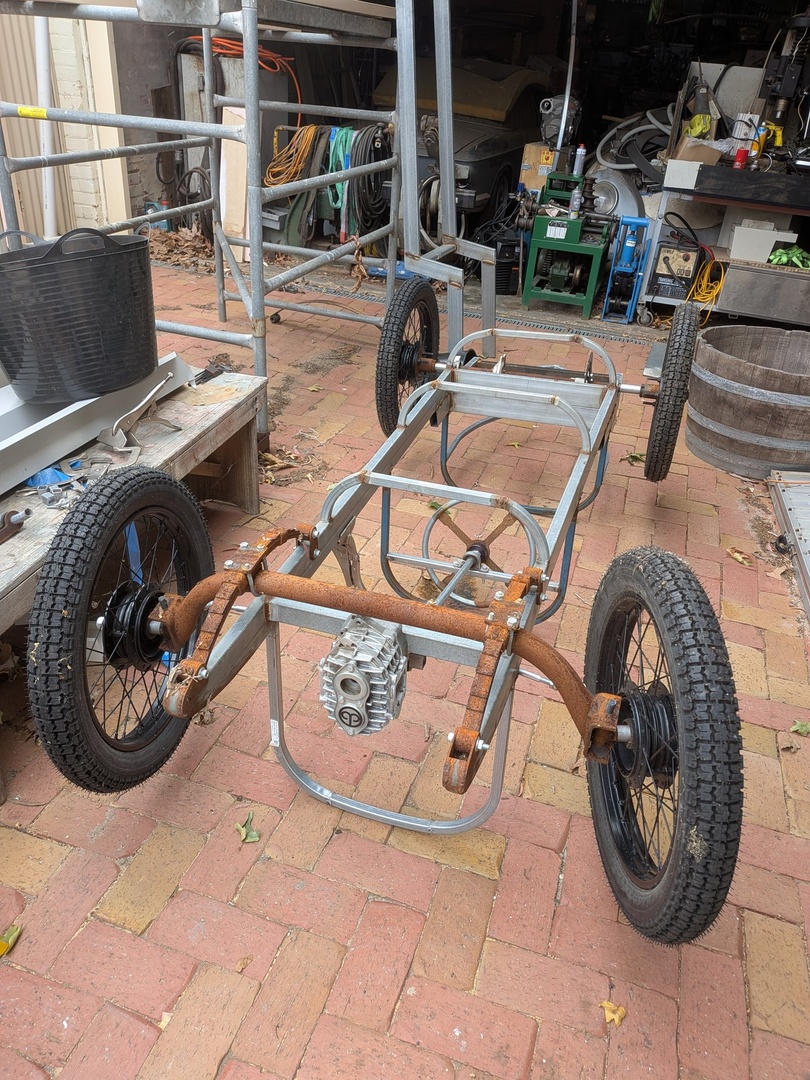
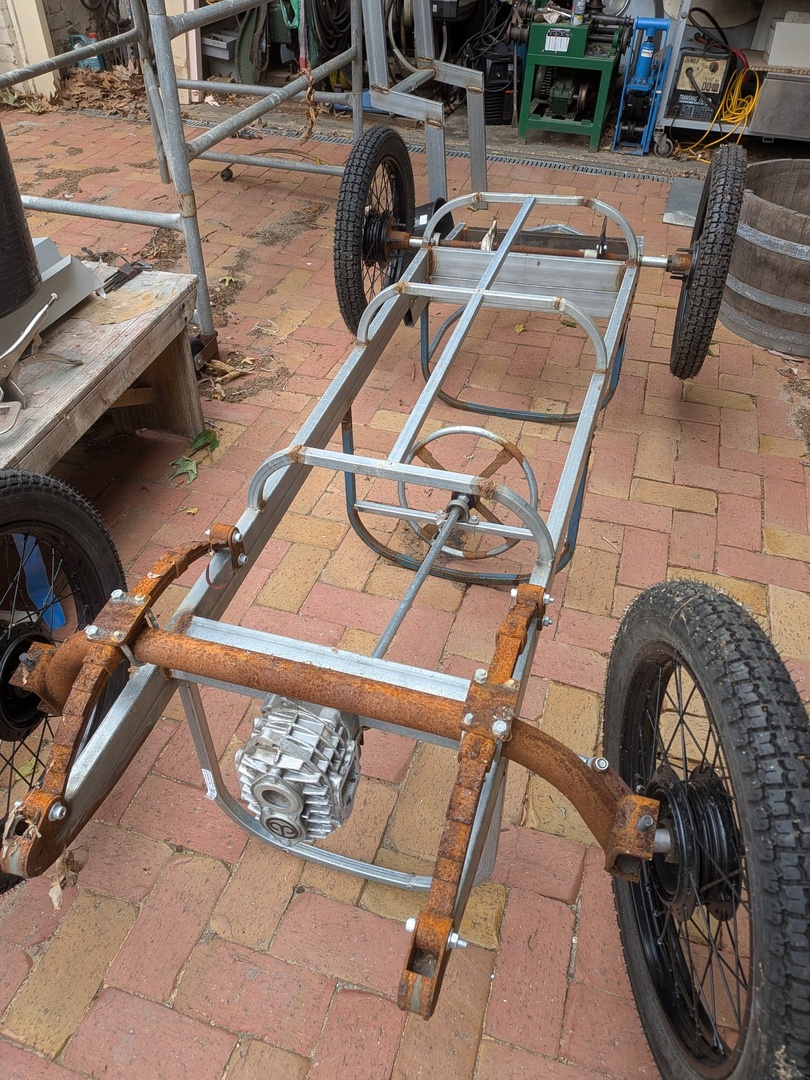
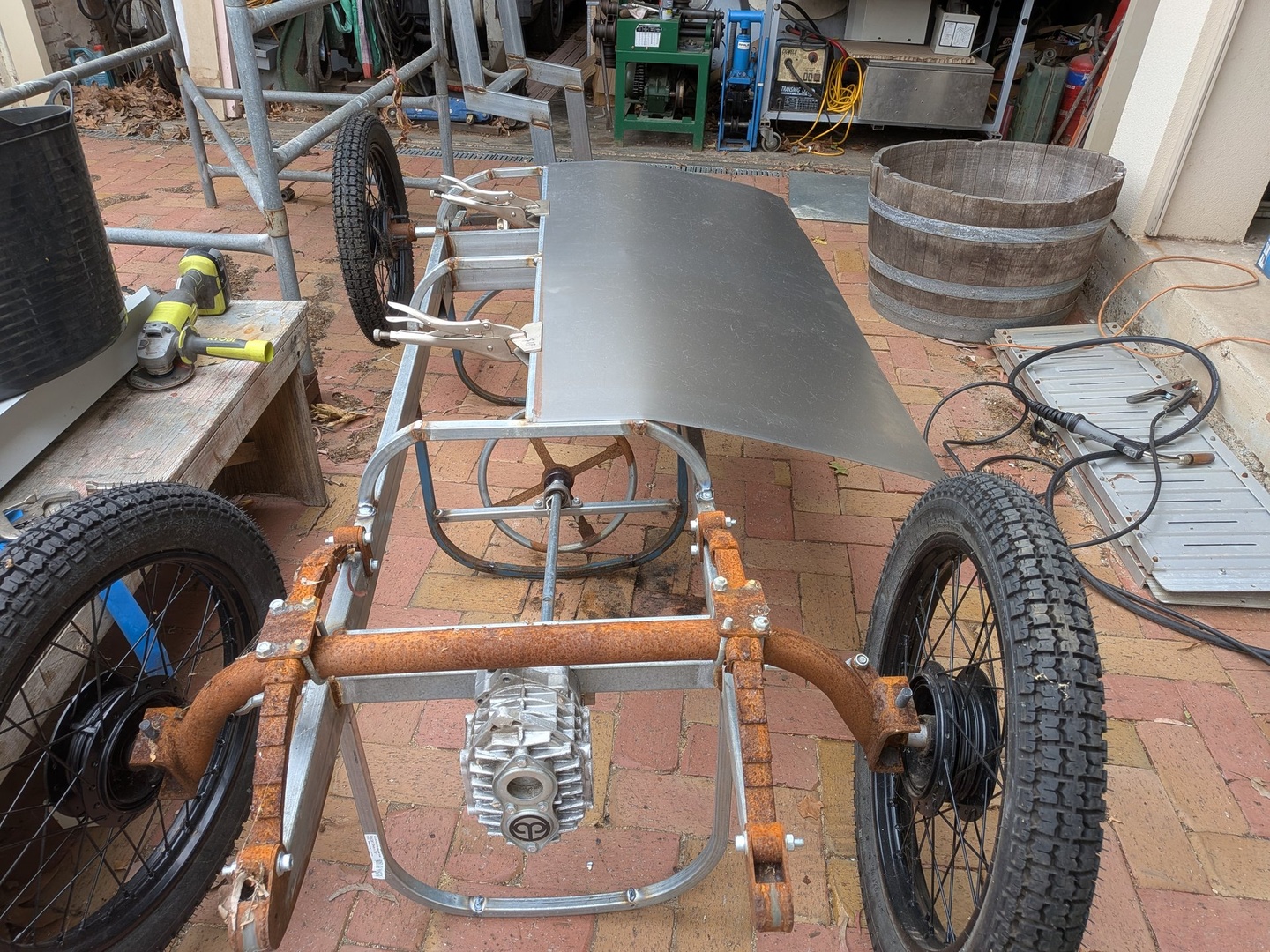
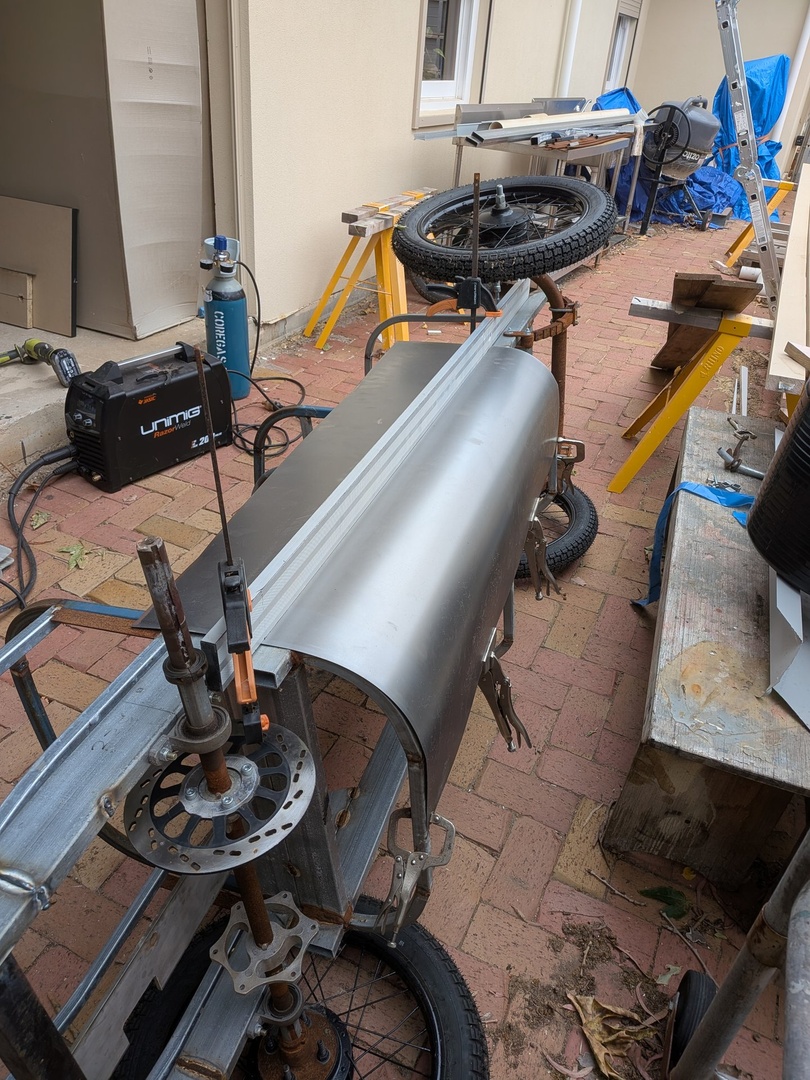
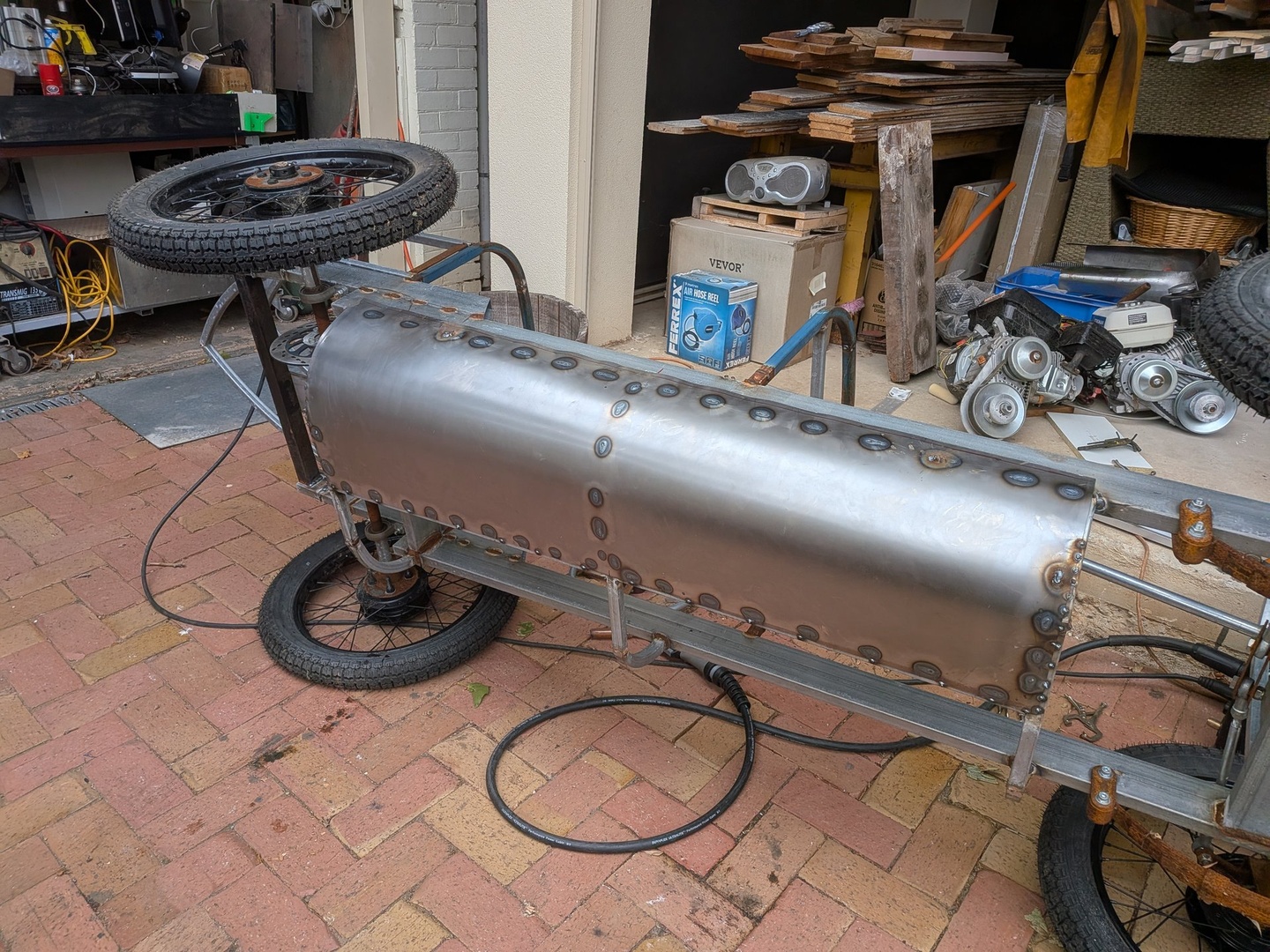
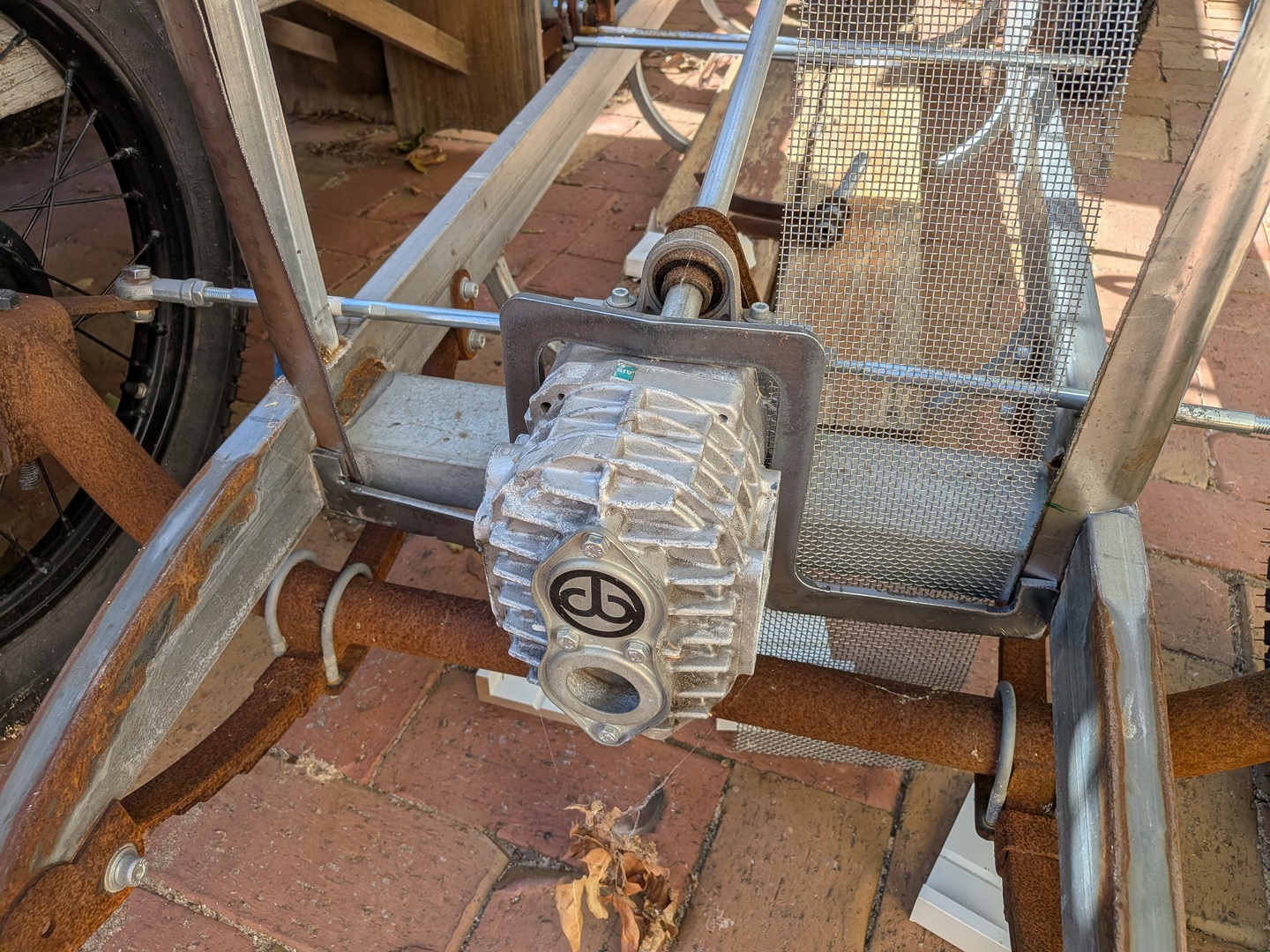
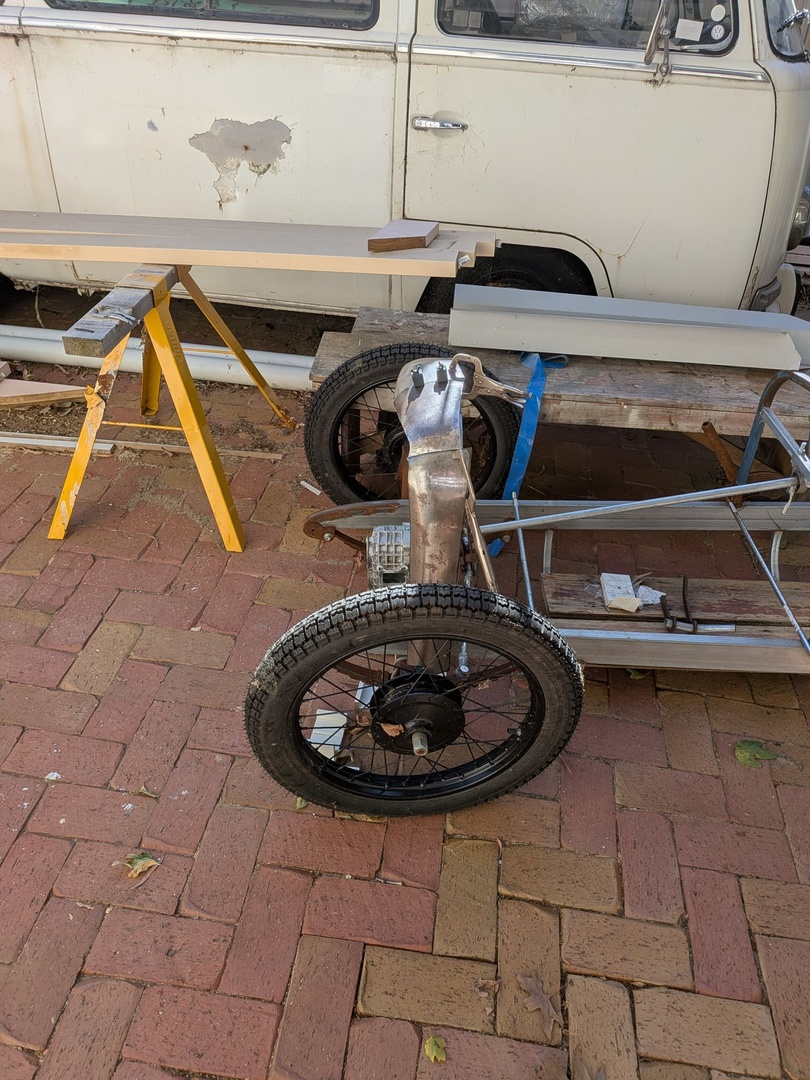
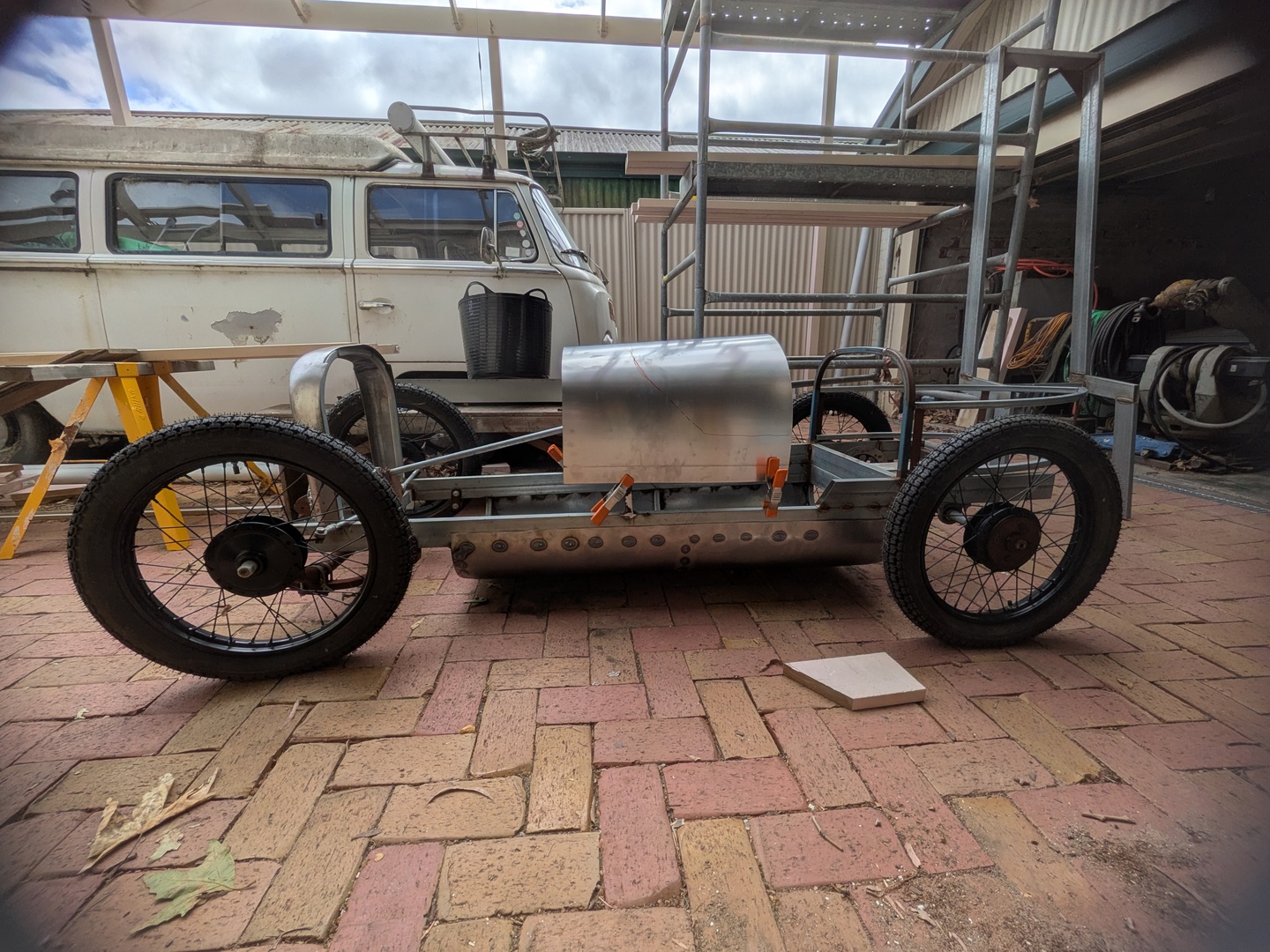
Spent today working through getting the Cyclekart rolling. This included finishing the hubs for the wheels and the steering. I had to drill the plates that I cut the other day along with the wheel hubs. I drilled these for M10 bolts. I will need to weld some bits of flat bar to locate the hubs into the wheel to stop the hub from spinning in the wheel under load, but I'll do that later. There's plenty of little bits to tidy up before final paint and assembly. I also needed to clean up the rear axle as the fit of the bearing on one side was a bit too tight. With that done and the axle out of the car it gave me a chance to fit the brake disk. The disk dits nice and close to the cross member at the rear bulkhead, so it should be trivial to mount the calliper. I also have a seperate cable operated calliper as well, this will be operated by the handbrake lever. Handbrakes are a requirement for CCA events. With the rear axle fitted up I turned my attention to the steering. I drafted up some arms to weld to the front hubs and cut them out on the plasma cutter. Then, literally just I was finished, right at that moment the Amazon delivery guy dropped off the two bearings that I had ordered to mount the steering column. It literally could not have been better timing. So I made a quick mount for the lower bearing to sit on and a cross bar that I fitted to the dash hoop to mount the top bearing to. I intend to re-do the bottom mount as it is a bit ordinary, but for a proof of concept it does the job. I think I will keep the top mount, mostly as I plan to cover it with the dashboard so it will not be seen. There's plenty of room to slide underneath when getting into and out of the cockpit. With the steering done and the final position of the dash hoop decided, I tidied up sone other bits and bobs and also fitted the hand brake lever. This sits in line with the dash hoop and will be slightly forwards of the cockpit opening. The cowl will extend past the dash hoop and will curve upwards slightly at the top of the cowl. I also tacked the rear tail together and tacked it to the rear bulkhead hoop. The tail will be removable, but as I did not get the chance to fabricate the locking mechanism to hold the tail in place, I figured I'd temporarily weld it in position for the show tomorrow. And so with that done there was only one thing left to do; see if it fitted into the trailer. The trailer is just a 6x4, but fortunately, with the front gate folded down the Cyclekart fits perfectly. The rear chassis member is just higher than the tail gate. Currently the tail section sits above the tailgate but once finished will sit a lot lower. This isn't an issue as It can simply be removed for transport. The trailer was original purchased for transporting the Cyclekart and the fold down front gate was a major plus, so good to see that it fits. One more job ticked off of the list.
So today was a non-build day as I had other commitments but I did manage to snatch an hour this morning to weld up the steering wheel. I'm using the typical generic quick release go-kart steering hub to attach it to the steering column. This is an aluminium hub with a steel adaptor that you can weld onto the end of the shaft. One thing that annoys me about these is the three bolts that hold it on, especially on a steering wheel with four spokes. There's a distinct lack of symmetry to it. So in a bid to make it a little more aesthetically acceptable I decided to add three more mounting bolts. On reflection, perhaps I should have just re-drilled it for four fixings as the original holes would be obscured, and it would have matched the spokes, but foresight appears to be in short supply today. At least with six mounting bolts it has some symmetry to it. I'm not overly keen on the socket head bolts as they seem too modern, but were evidently invented in 1910, so are contemporary with the era. I did have a go at filing a slot in one to turn it into a faux slotted head. But not too sure on what looks best. If I can find some M8 slotted countersunk bolts I'll swap them out. I also received a delivery for some of the parts I reordered due to not being able to find the ones I already bought. Specifically the brake disk hub and extended hydraulic brake line. Got to hand it to Amazon, I ordered them two days ago and here they are already. Of course. Now that I have the replacements I am almost certain that I will now find the original parts. This being the Law of Sod. One more day of CK suff before the event on Sunday. Don't expect I'll get anything major done. Lots of shits and bits to finish off tho.
Today was one of those two steps forwards one step backwards kinda days. I started off with a plan to pick up some more steel to get a start on the bodywork and make a steering wheel so that I could get the steering sorted out. My plan was to roll a hoop from 1" steel tube and use that to make the steering wheel. However, when trying to roll the hoop I found that the rolling machine made a right hash of it. The rollers are too far apart, so trying to roll smaller diameters is a bit of an issue Defeated I decided that I would simply resort to buying a steering wheel. Surely has to be something i could pick up locally eh. Turns out that is a no. Next I decided that I would try and find something with a suitable metal rolled hoop that I could repurpose. Surely there's something in Bunnings that I could use? Unfortunately also a no. Then I turned to one of my suppliers - a specialist tube benders. Surely they could roll me a simple hoop. Shit, I might even be able to call in a favour. As it happens they could not, but gave me the details of someone who can. I decided to park that as a last resort So having wasted a few hours I finally decided to reduce the diameter of the tube from 1" to 3/4" and use the secondary rollers on the rolling machine. These are generally used for round bar but go up to 20mm. So I stole the tube I had set aside for the steering column and gave it a test. I managed to roll a reasonable looking hoop. Unfortunately I then needed to go get some more tube to roll another hoop and replace the steering column. The steering wheel was made from the two hoops welded together. The machine cannot roll a perfect circle. it leaves flat bits on the ends, so to make a completely circular hoop you need to use two hoops and weld them together. Pretty straightforwards. Next I drafted up a basic cross shape for the wheel centre.There seems to be two main styles. One fabricated similar to this and one made from aluminium, so I tried to replicate the profile of the fabricated style of wheel. I also cut out some plates for the bottom of the steering column. Unfortunately I did not get any further than this as I ended up having to deal with some other non CK stuff which frustratingly turned out to be a massive waste of time. Just the way it goes sometimes.
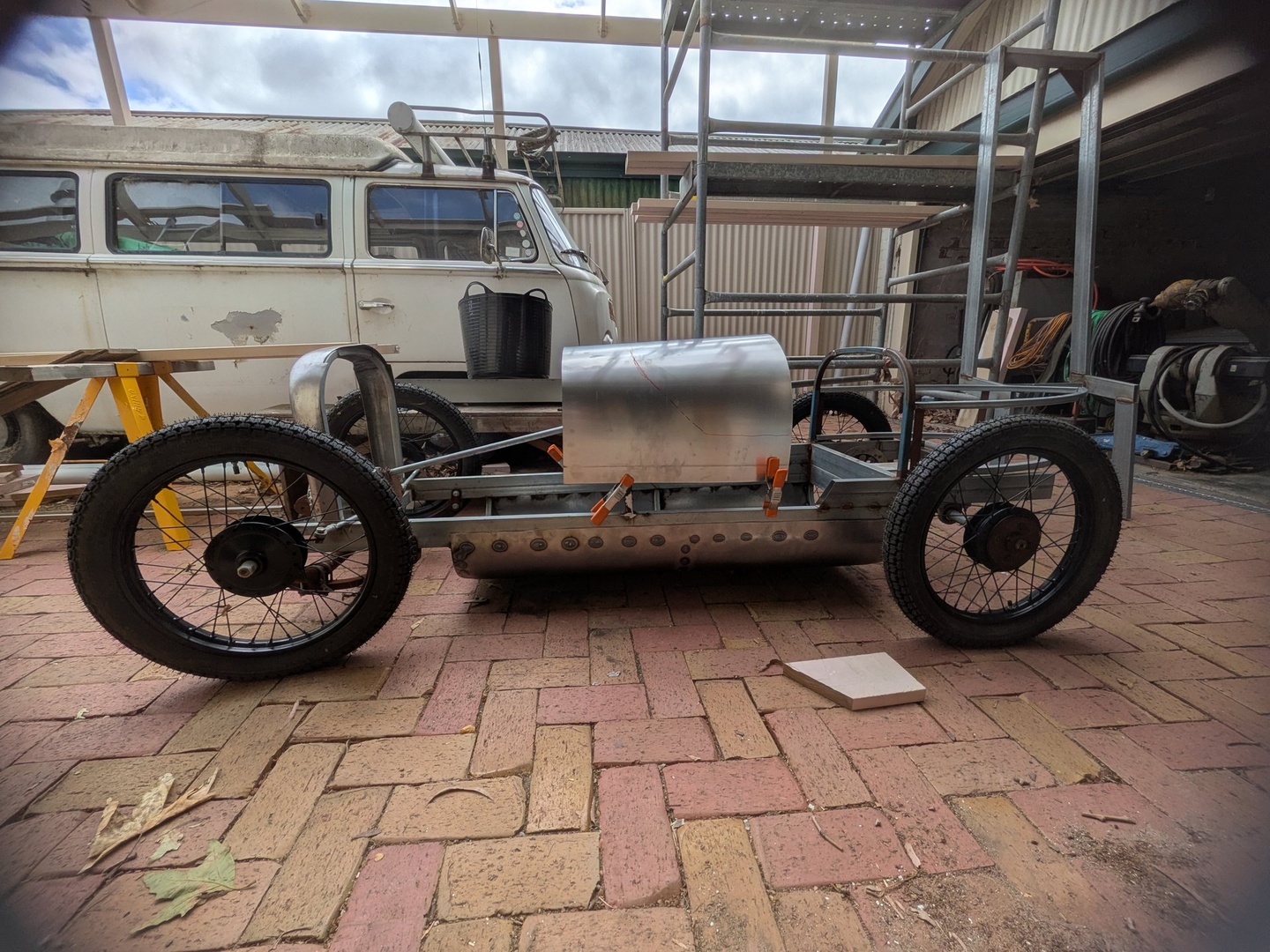
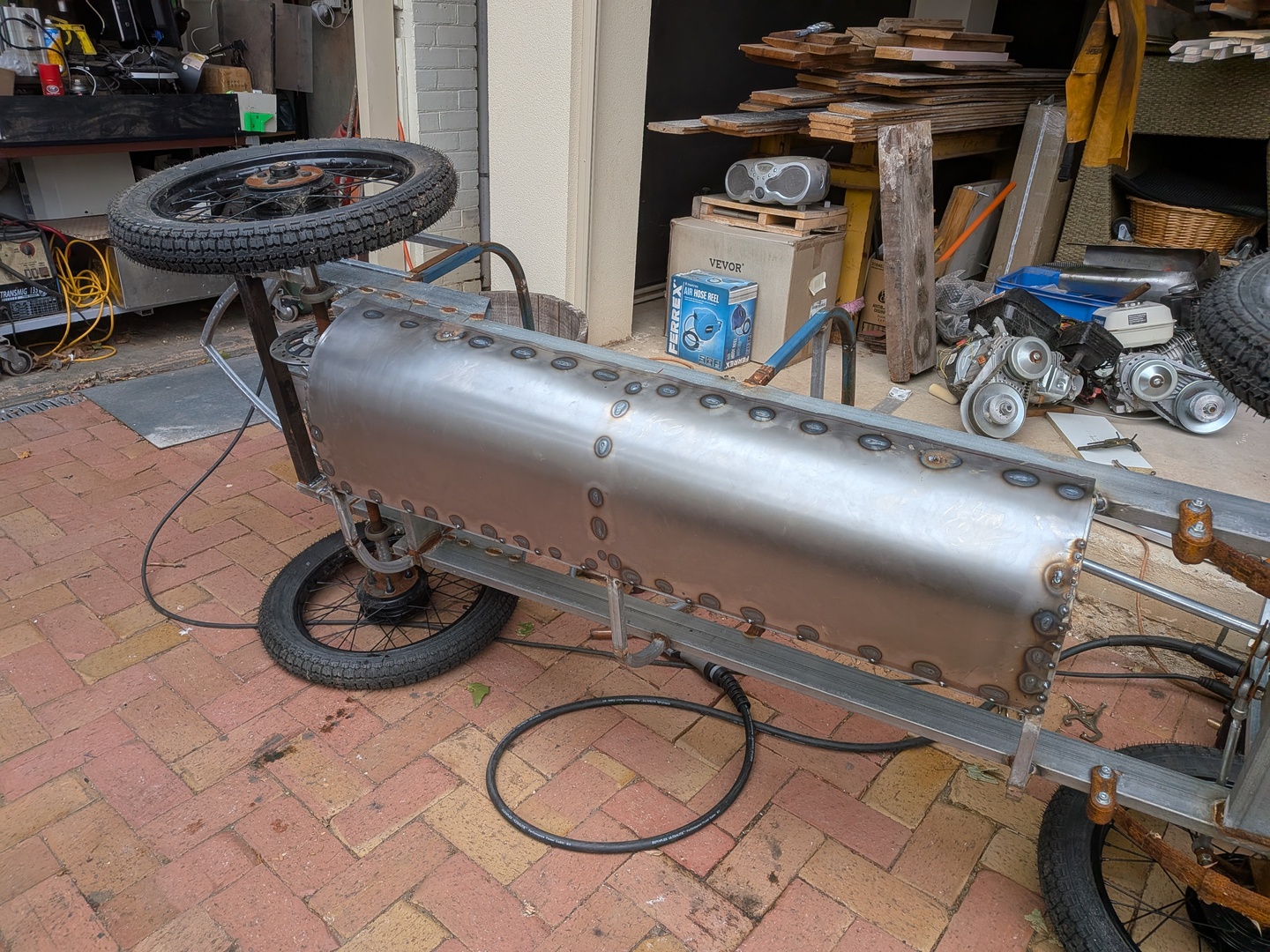
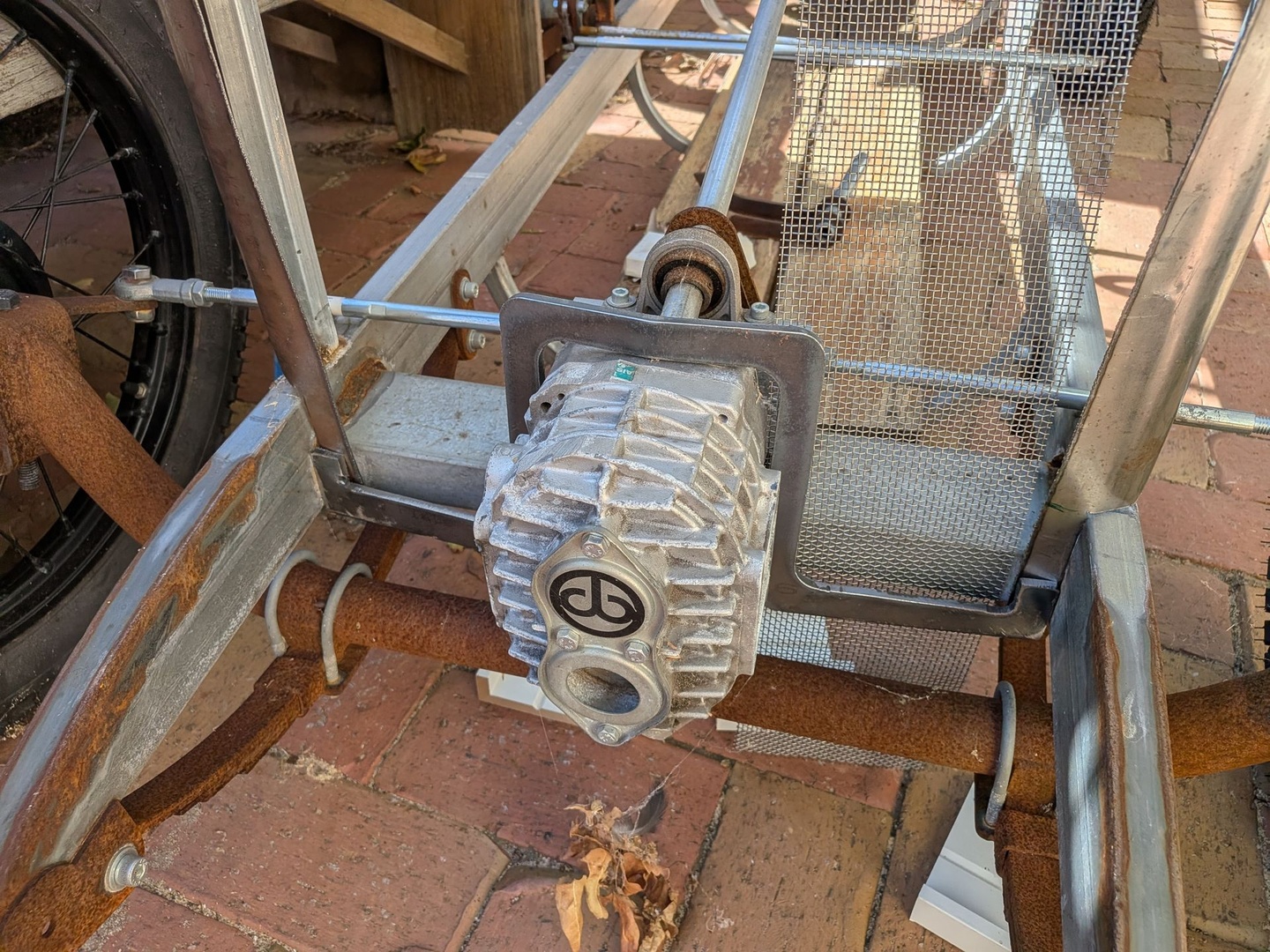
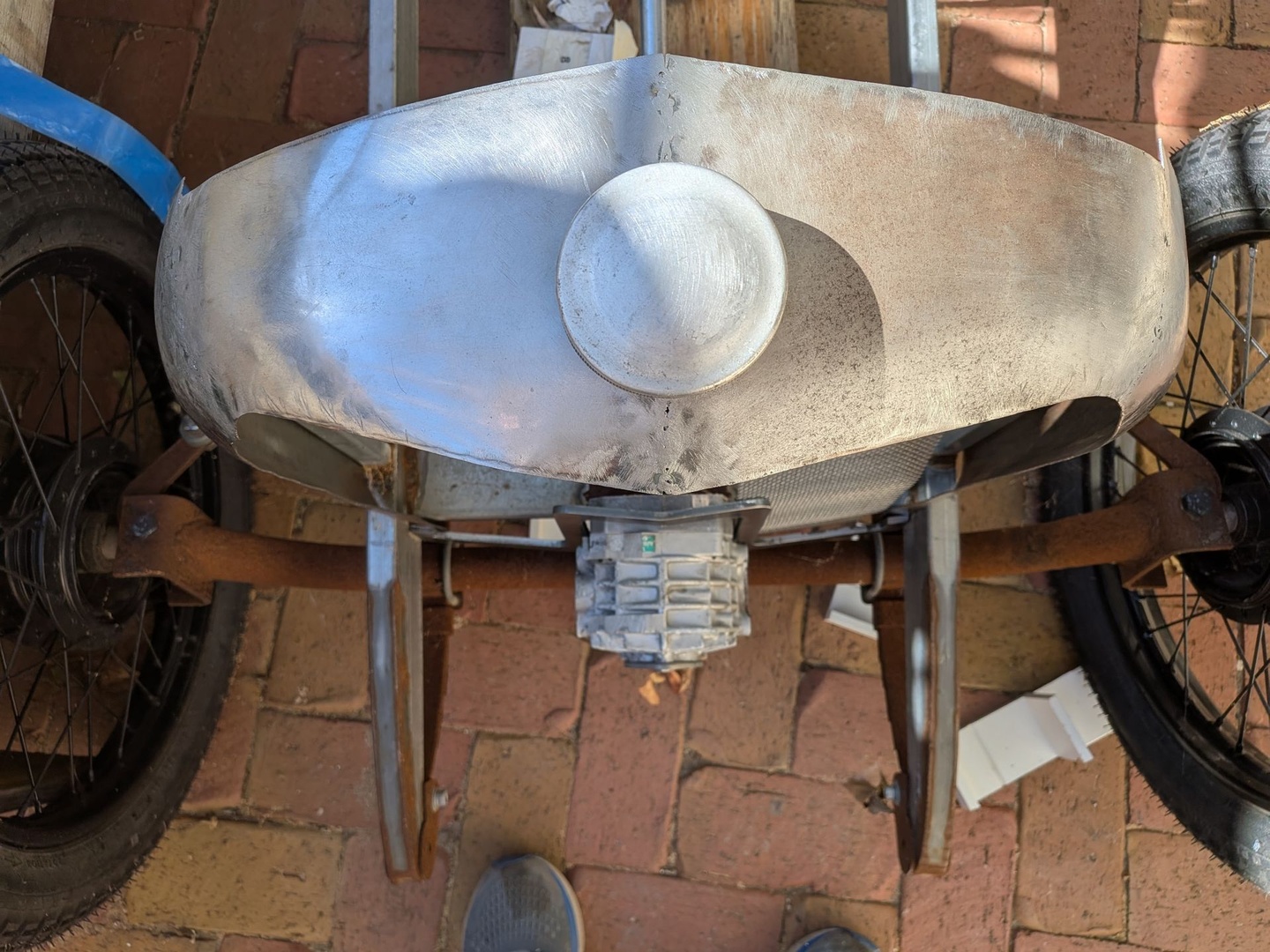
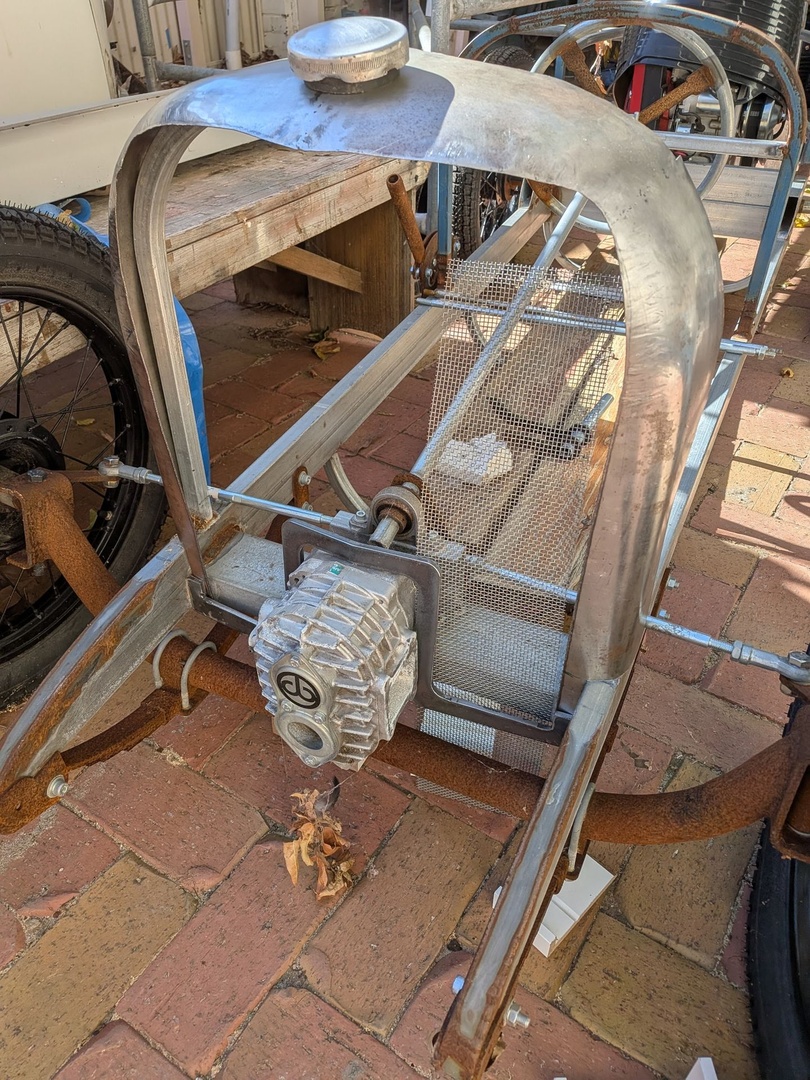
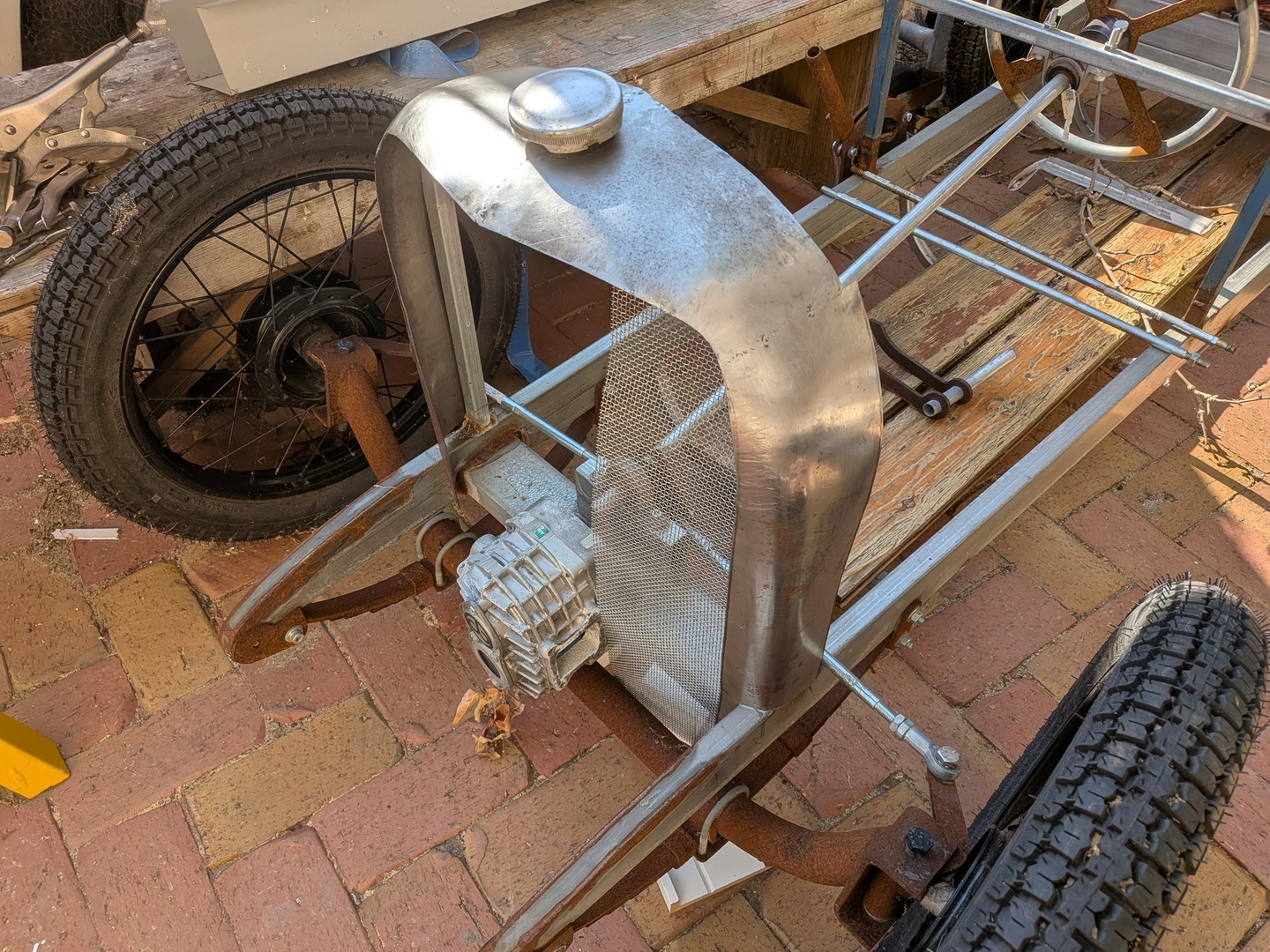
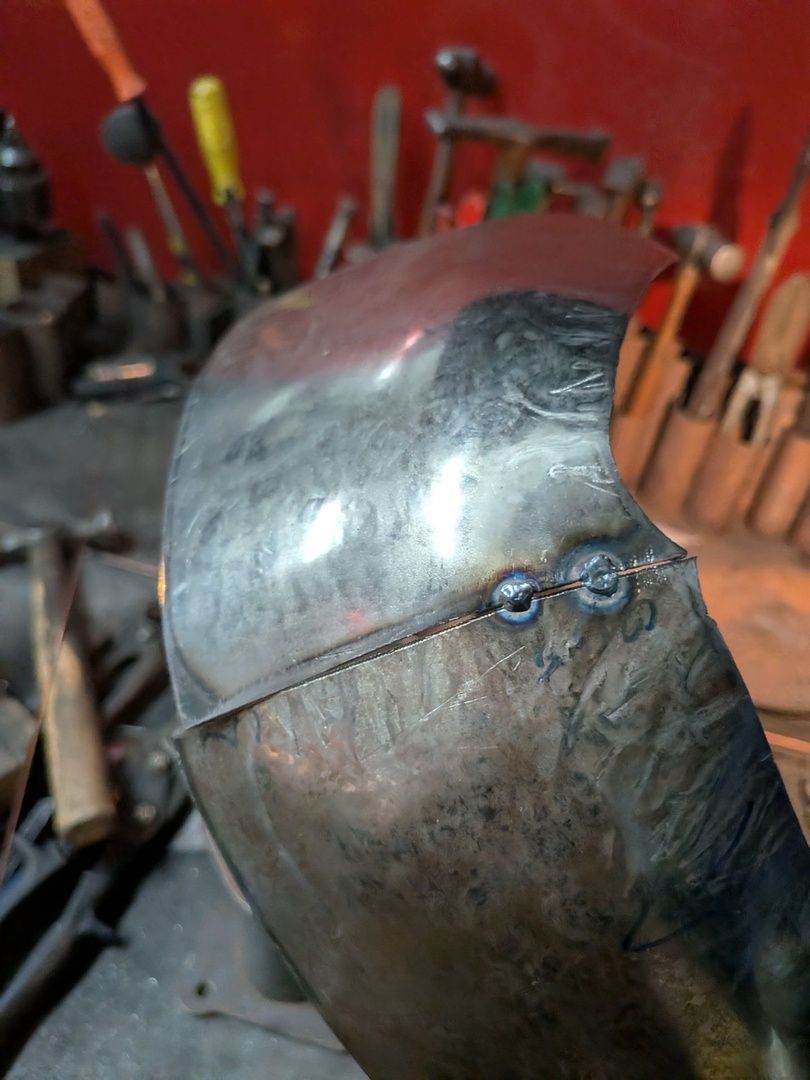
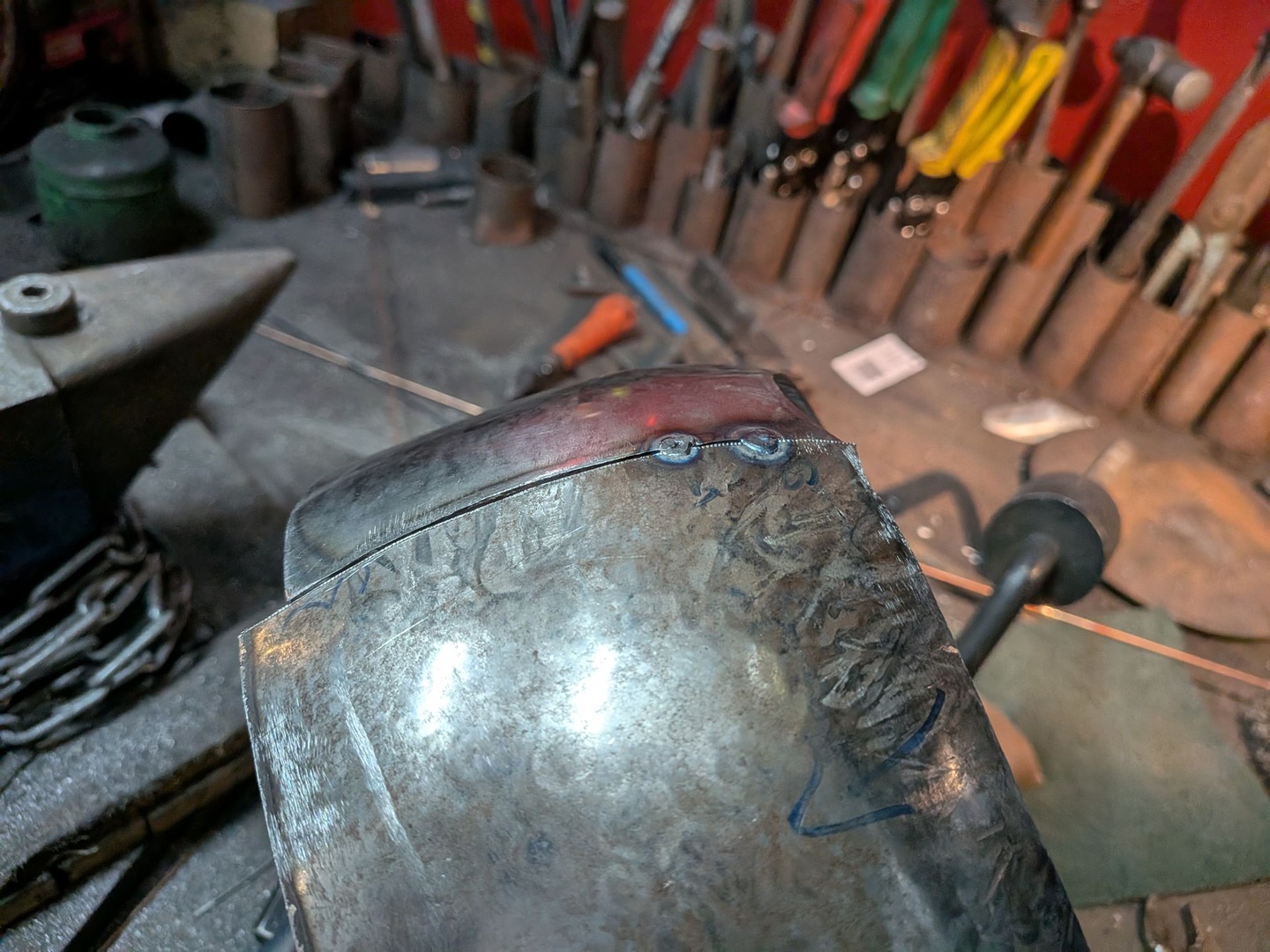
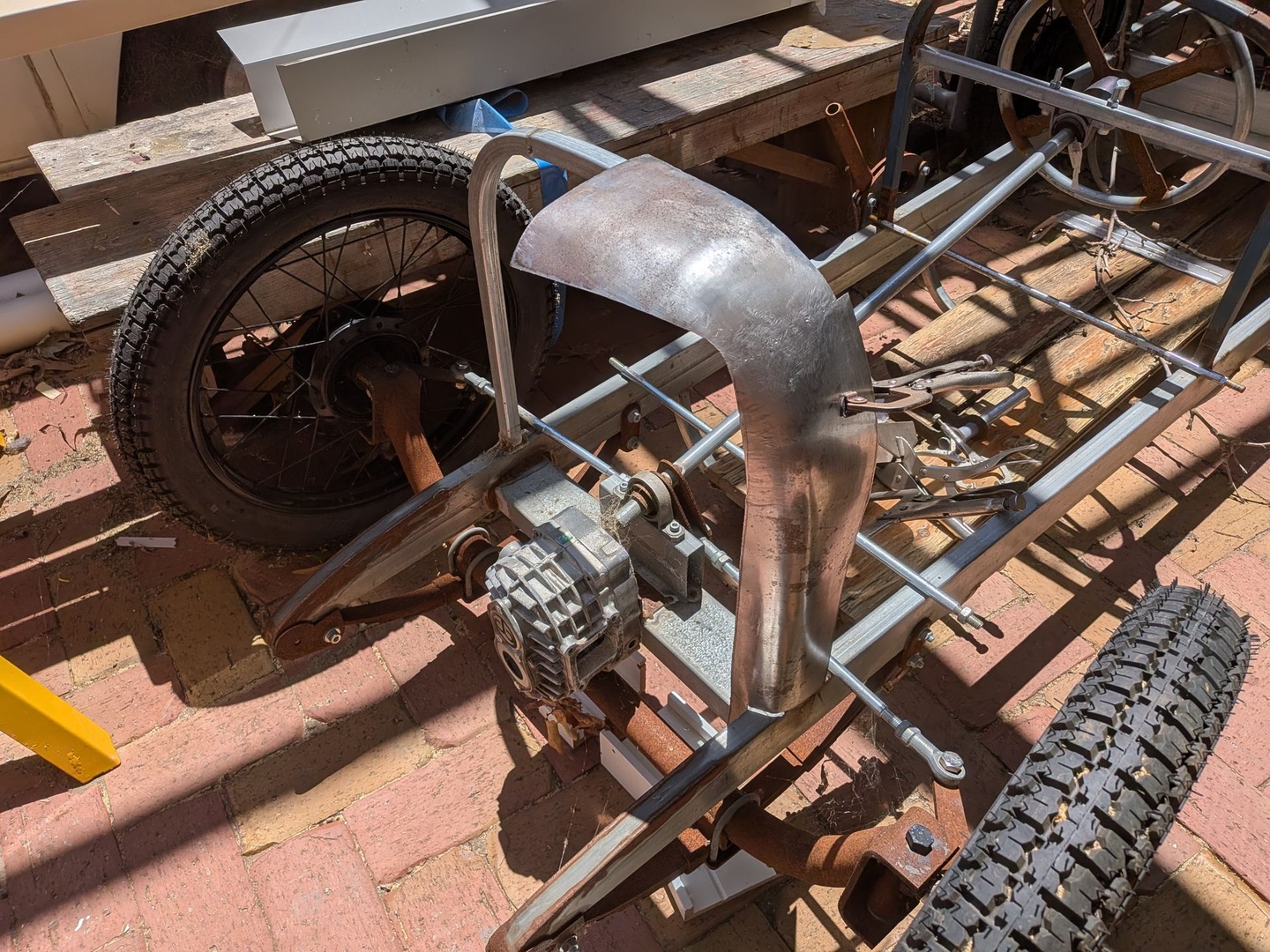
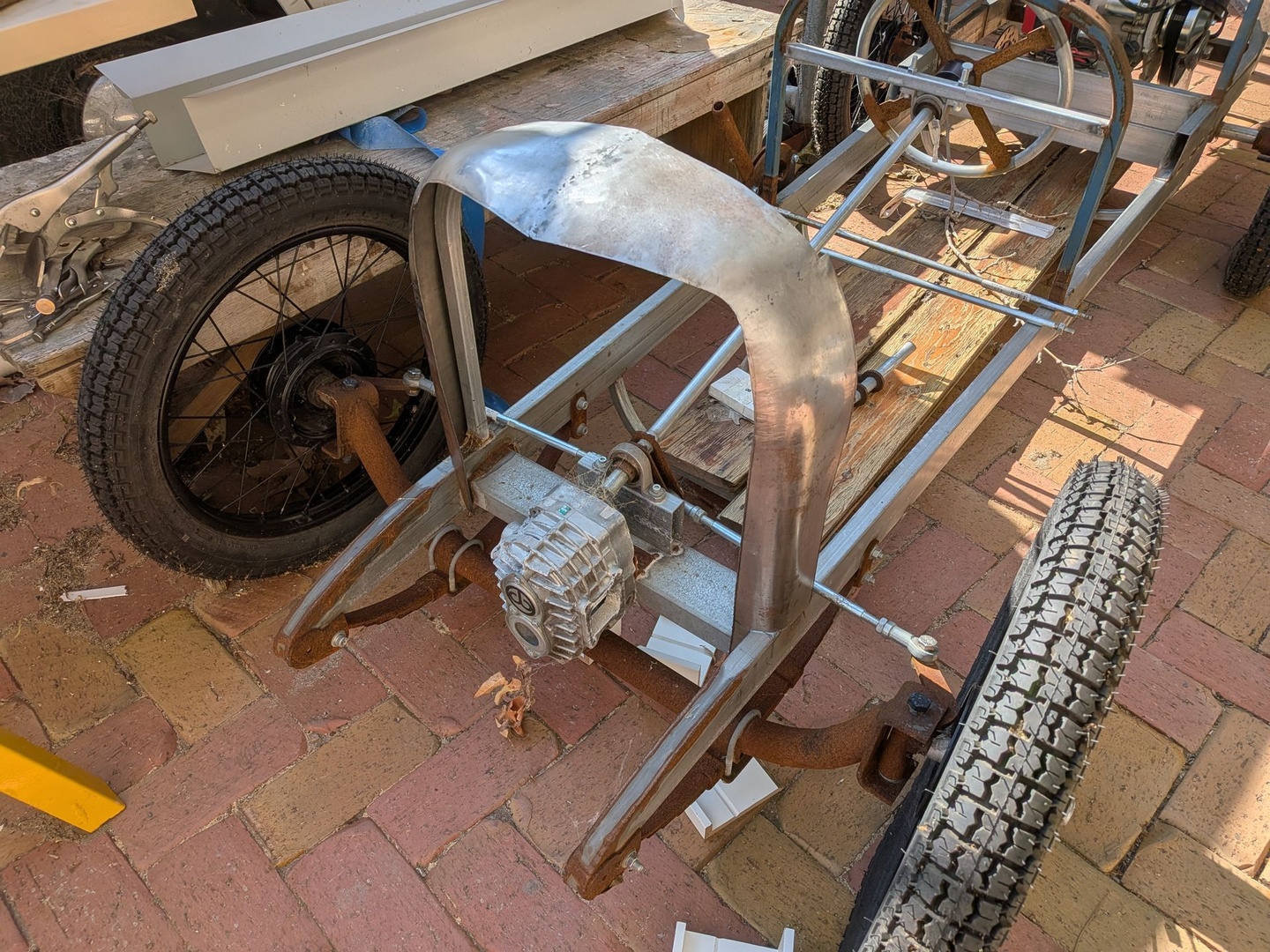
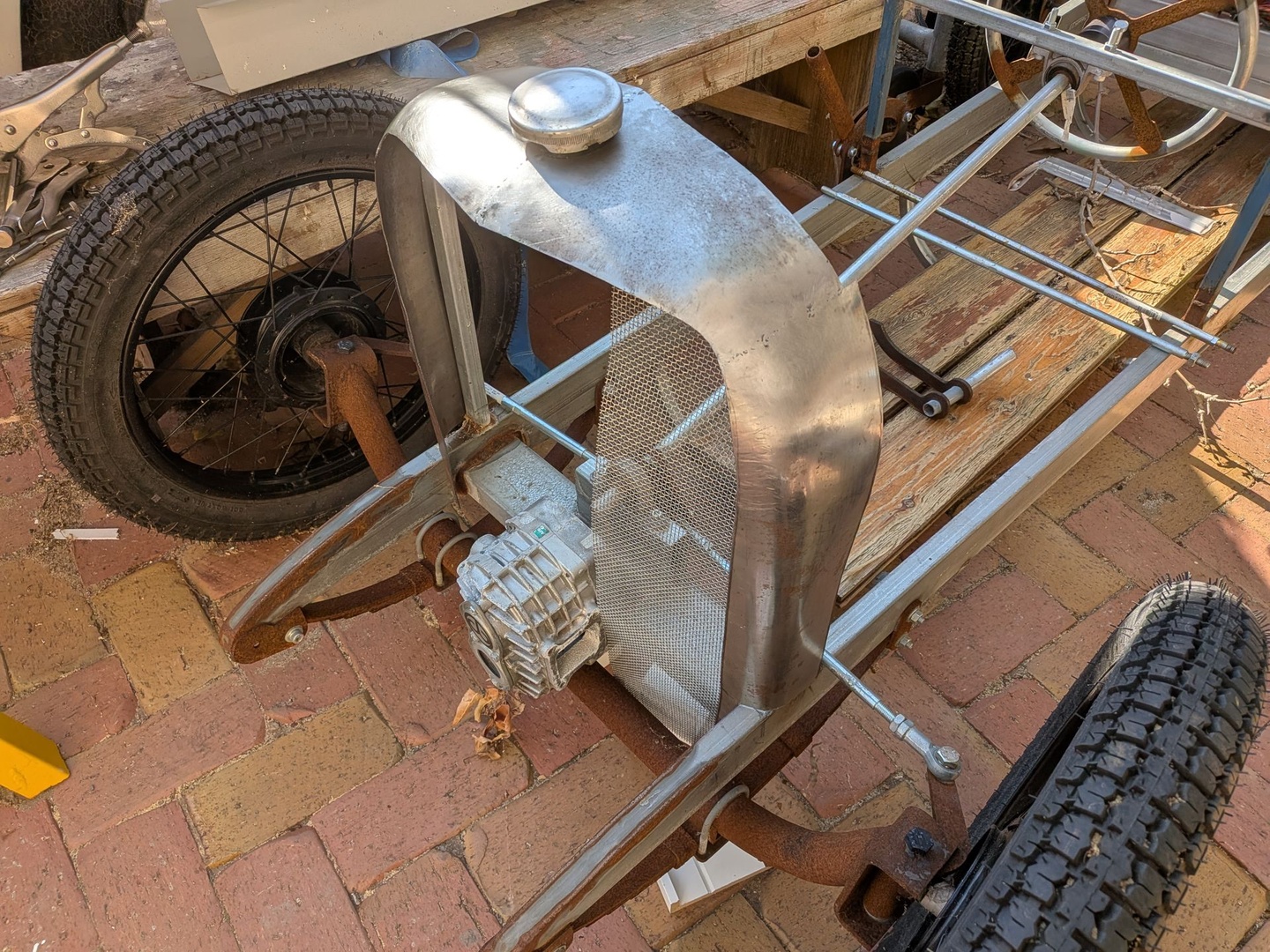
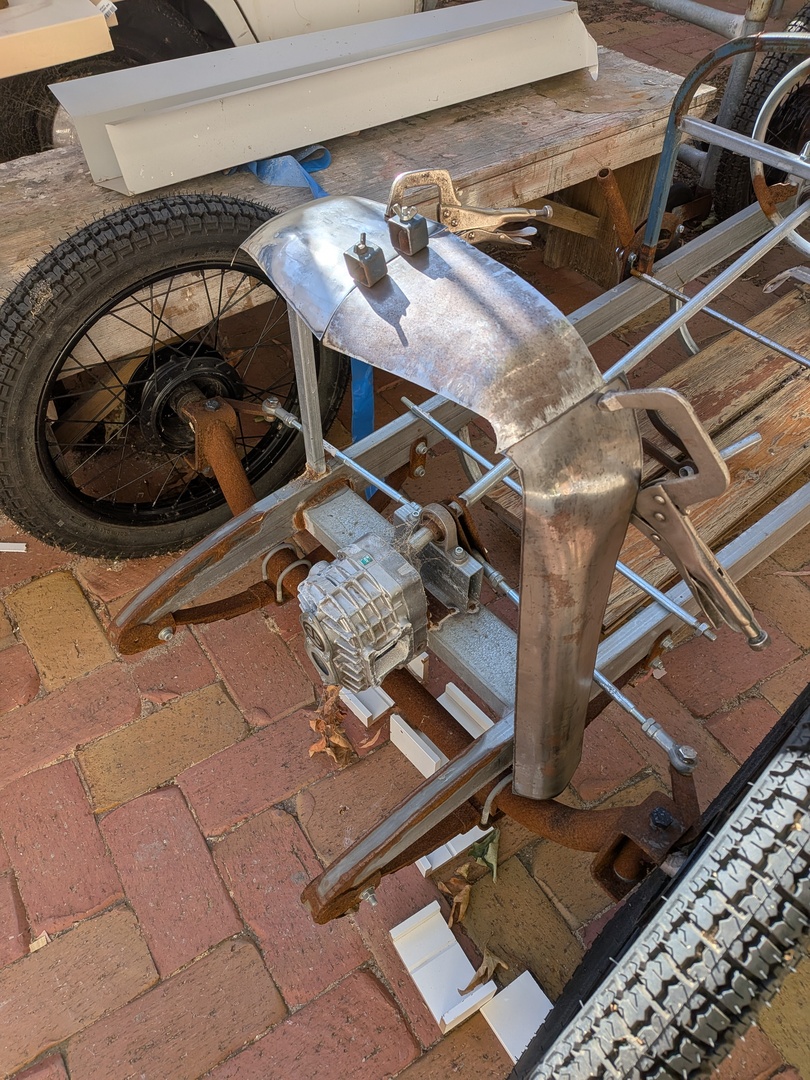
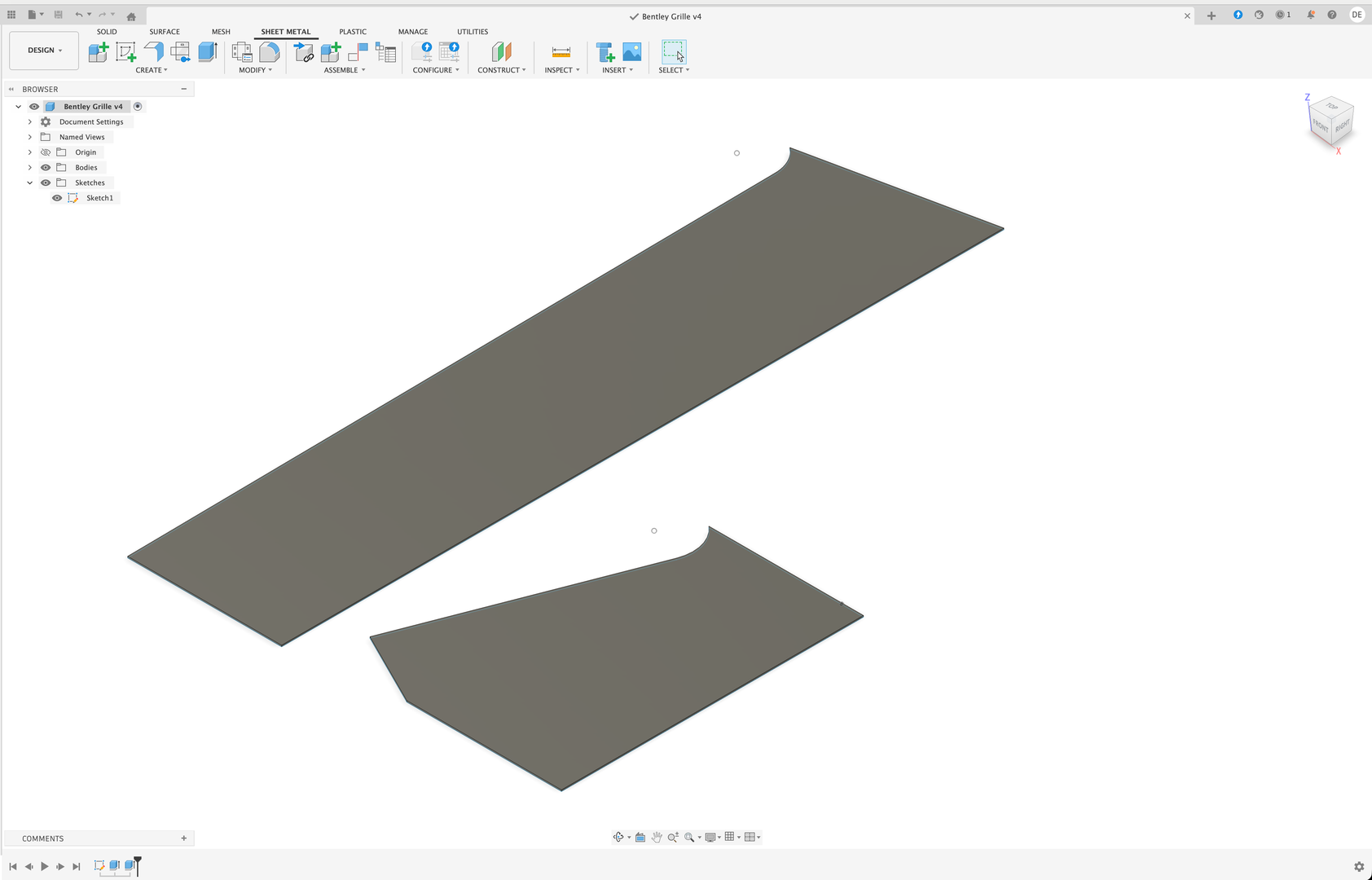
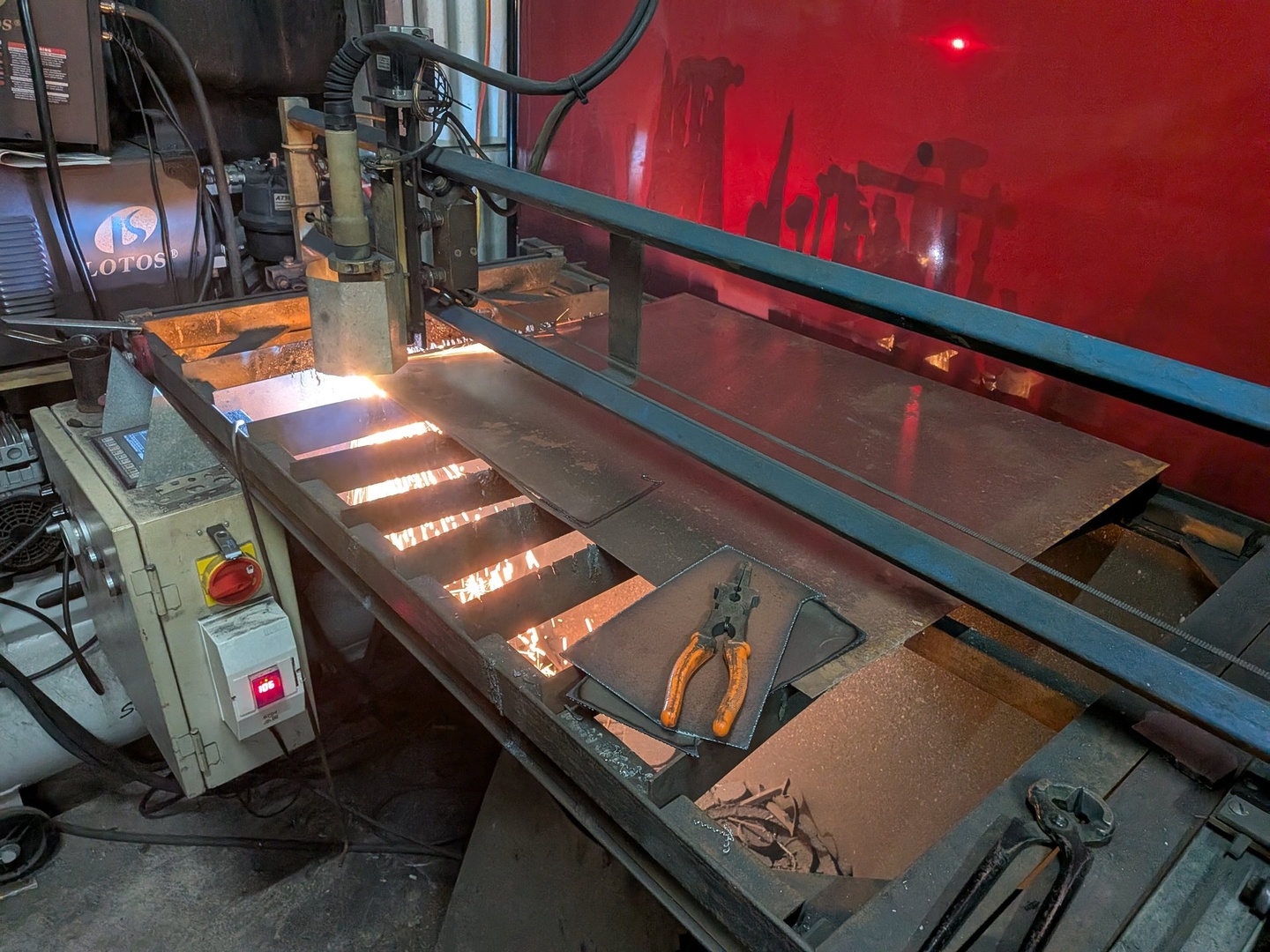
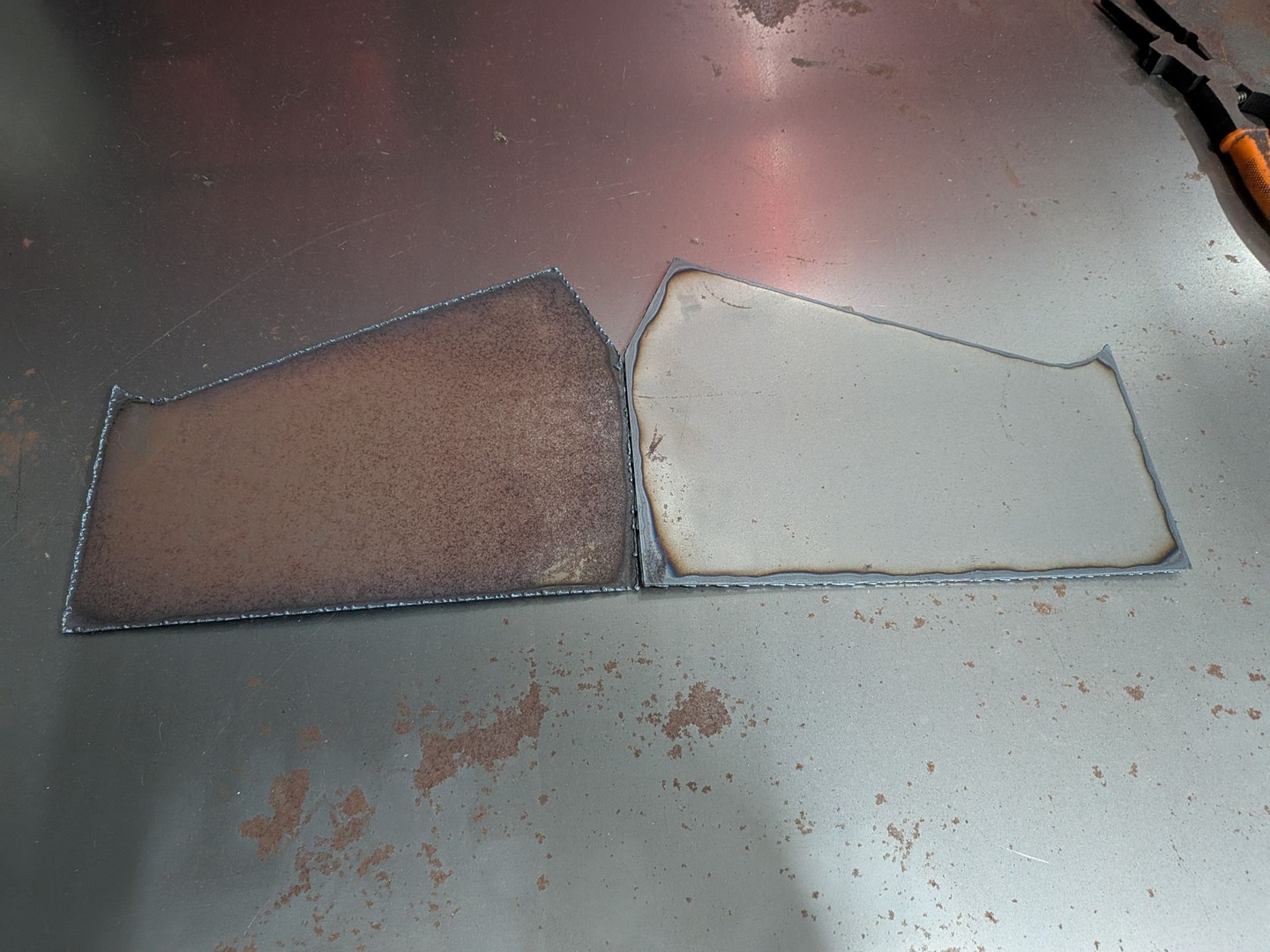
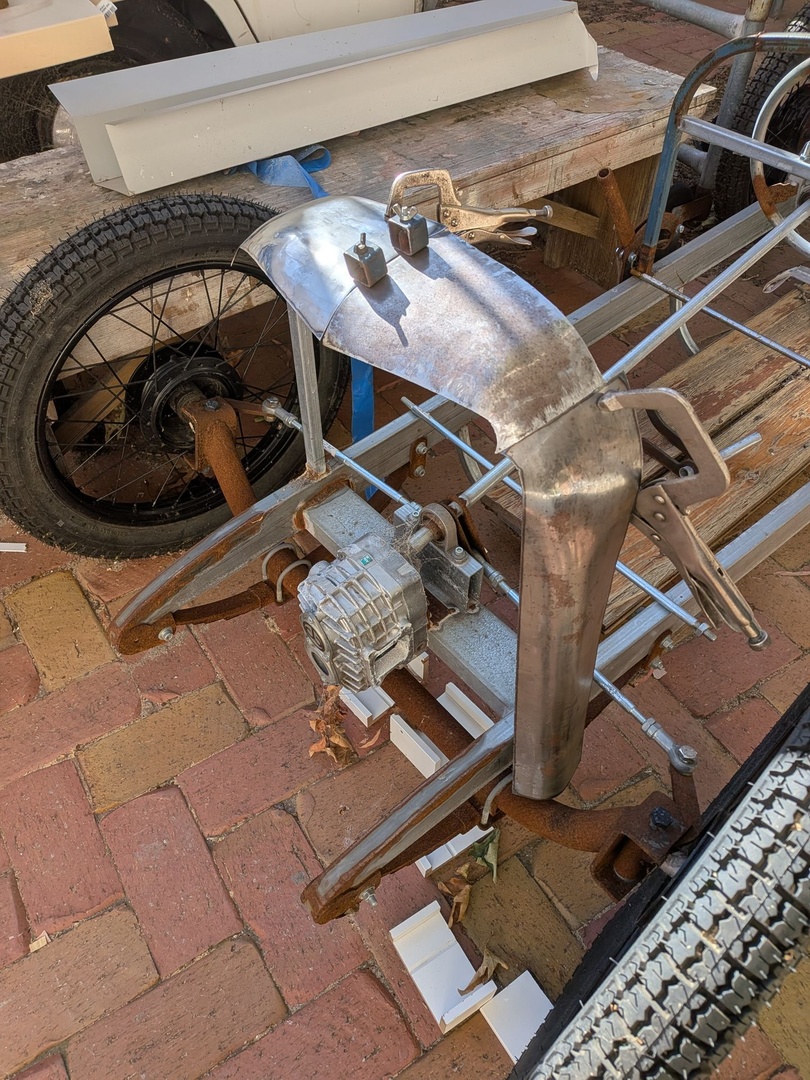
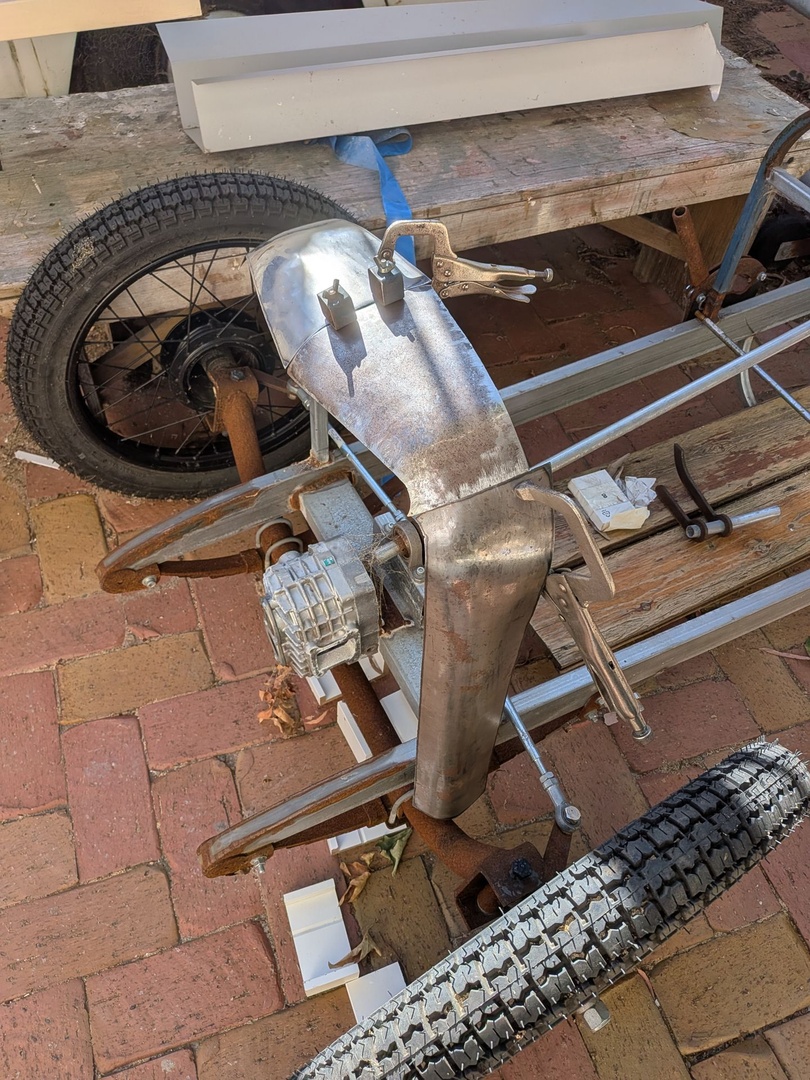
Had a fairly productive day today. After Tim Wheater's suggestions on the FB group to move the engine forwards, I started the day off with bit of a plan in mind. I decided that I should get the tail section made up and then extend the rear chassis to allow me to move the engine further forwards. Making the tail section would define how much room I had to work with. So I mocked up the footprint of the rear tail section with some plastic extrusion and duct tape until it looked kinda right, and then rolled some RHS curves to match. After cutting and tacking up the tail frame, I cut out the old rear cross member and extended the chassis rails by 80mm. This was plenty enough room to allow the TAV to be flipped and the engine moved forwards. I also lowered the engine by 20mm, which in turn allowed me to chop the rear hoop by 30mm and still have plenty of clearance above the engine for the body to slope downwards at the rear. I also moved the engine mounting 30mm to the left in the chassis. The reason for this is that now the fuel filler lines up with the centre of the car. I still need to close off the open ends of the chassis extensions, which I will do with some nice rounded off RHS sections, similar to the original, but that will have to wait until another day. I also plan to drop the lower rear tail tube by stepping it just behind the rear chassis member. The plan is to have the entire tail section lift off of the chassis With the rear hoop chopped, I welded the offcuts on to the dash hoop to bring it up to the same height. I also fabbed up the front grille hoop at the same height as the dash hoop. This really made the outline easier to visualise. It's now much easier to imagine how it will look once it's got some skin on it. It's really starting to take shape. Moving on to mounting the rear wheels up, I had to draft some plates to fit the outside of the wheels. These act as a reinforcing plate which sandwiches the wheel centre against the rear drive hub and to helps to spread the load of the bolts. This meant drafting up the plates in Fusion360 and then firing up the CNC Plasma. I built this machine over 10 years ago and it's been a pretty handy thing to have. I just need to drill the hubs and plates for he mounting bolts. With the chassis kinda finished I got a little sidetracked with some accoutrements, which burned up a little time. That and of course the obligatory standing back and staring aimlessly. I managed to reconfigure the handbrake mech that I originally made for my Speedster so that it can be operated from an upright handle. I also dug out a blower casing from the parts bin and mounted that to the front cross member. The grille will wrap around this and I will make up a dummy carburettor and inlet manifold to finish it off. I didn't get to the steering, but I realised that I need to make a steering wheel before I can get that set up. So tomorrows tasks are make a steering wheel, bend up the wireframe for the cabin and mount the rear wheels. Then with whatever time I have left make a start on the bodywork. Unfortunately I forgot that I have other engagements Friday, so tomorrow is the last hoorah before The Bend. At least it looks kinda car-like. Ahhh yes. One other very important task for tomorrow. Trial fit it into the trailer. I already know that the Cyclekart is longer than the bed, but that's okay as I can fold the front gate of the trailer down. However I might have to fabricate some kind of transport stand to hold the front wheels up. Ahh yes, also swapped the engine out for the electric start engine that will be fitted as I needed to make sure that there was enough clearance for the starter Bit photo heavy this one...
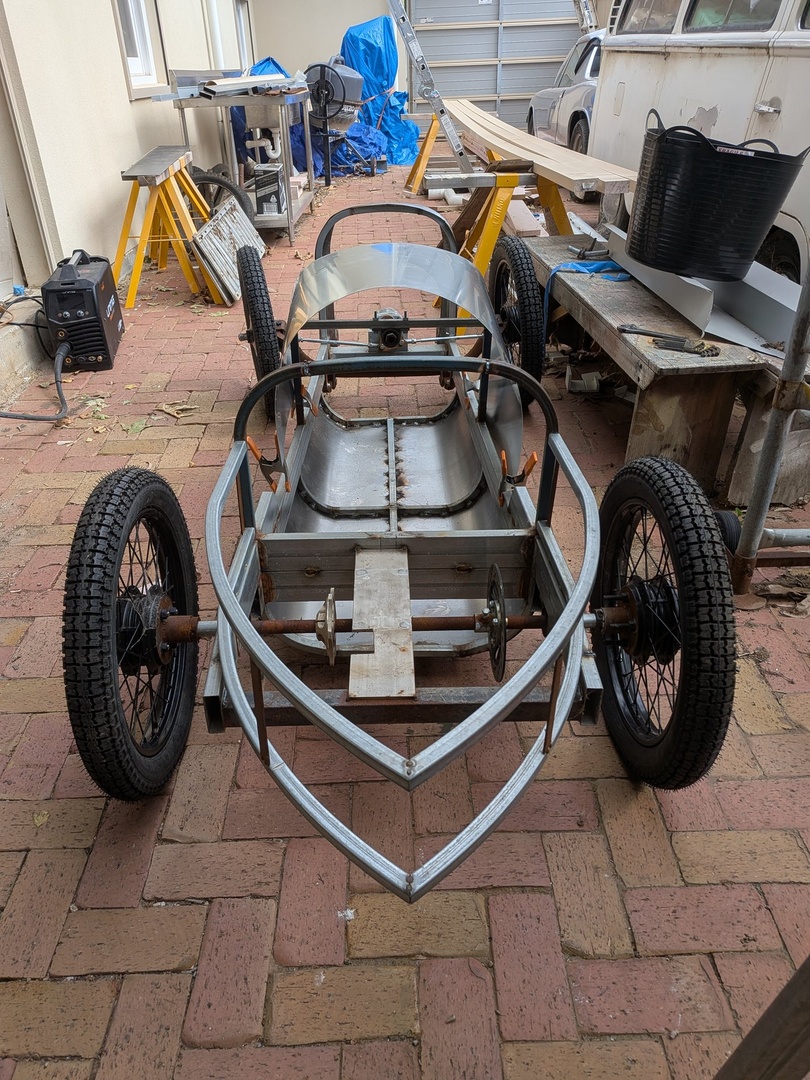
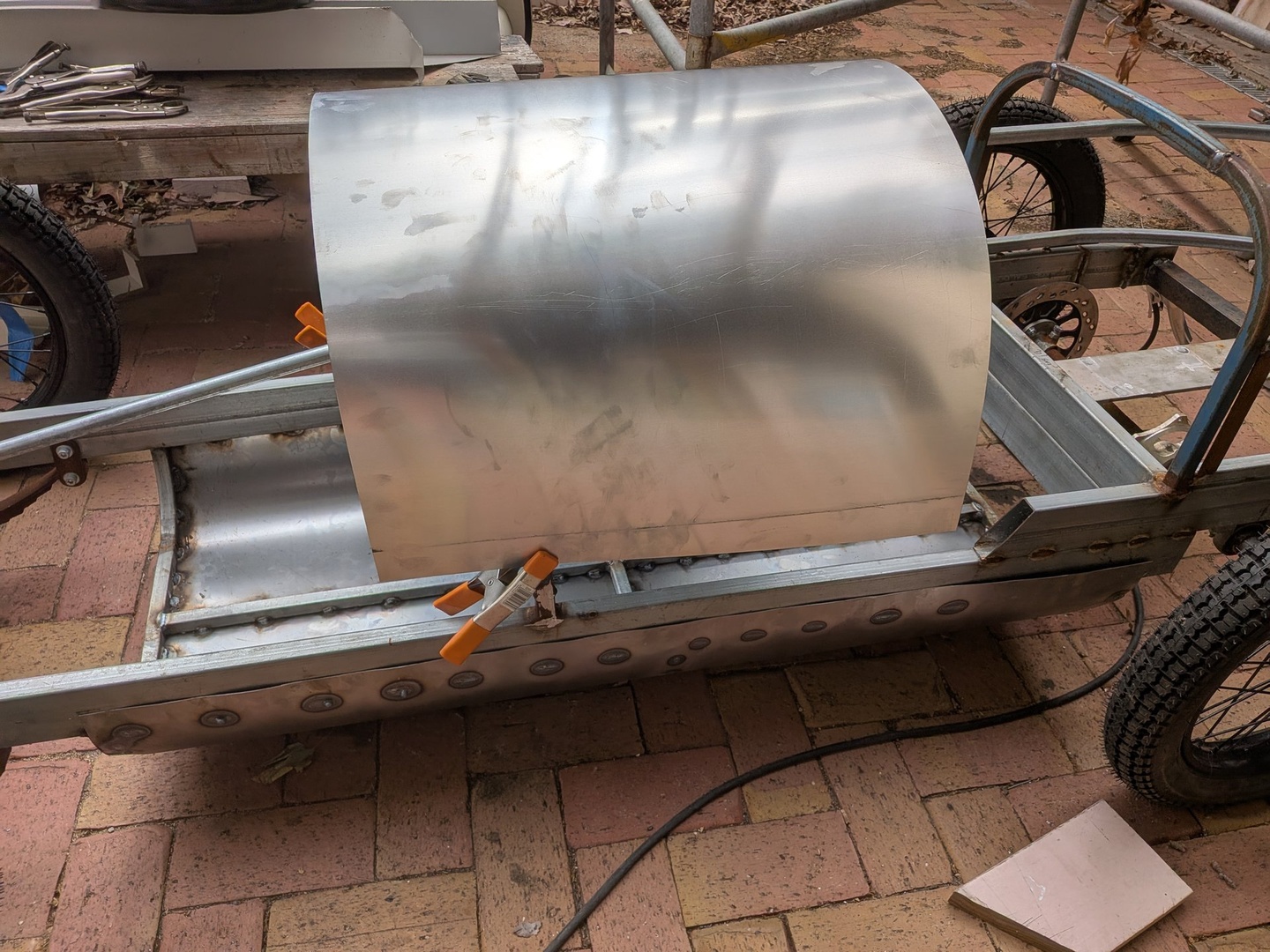
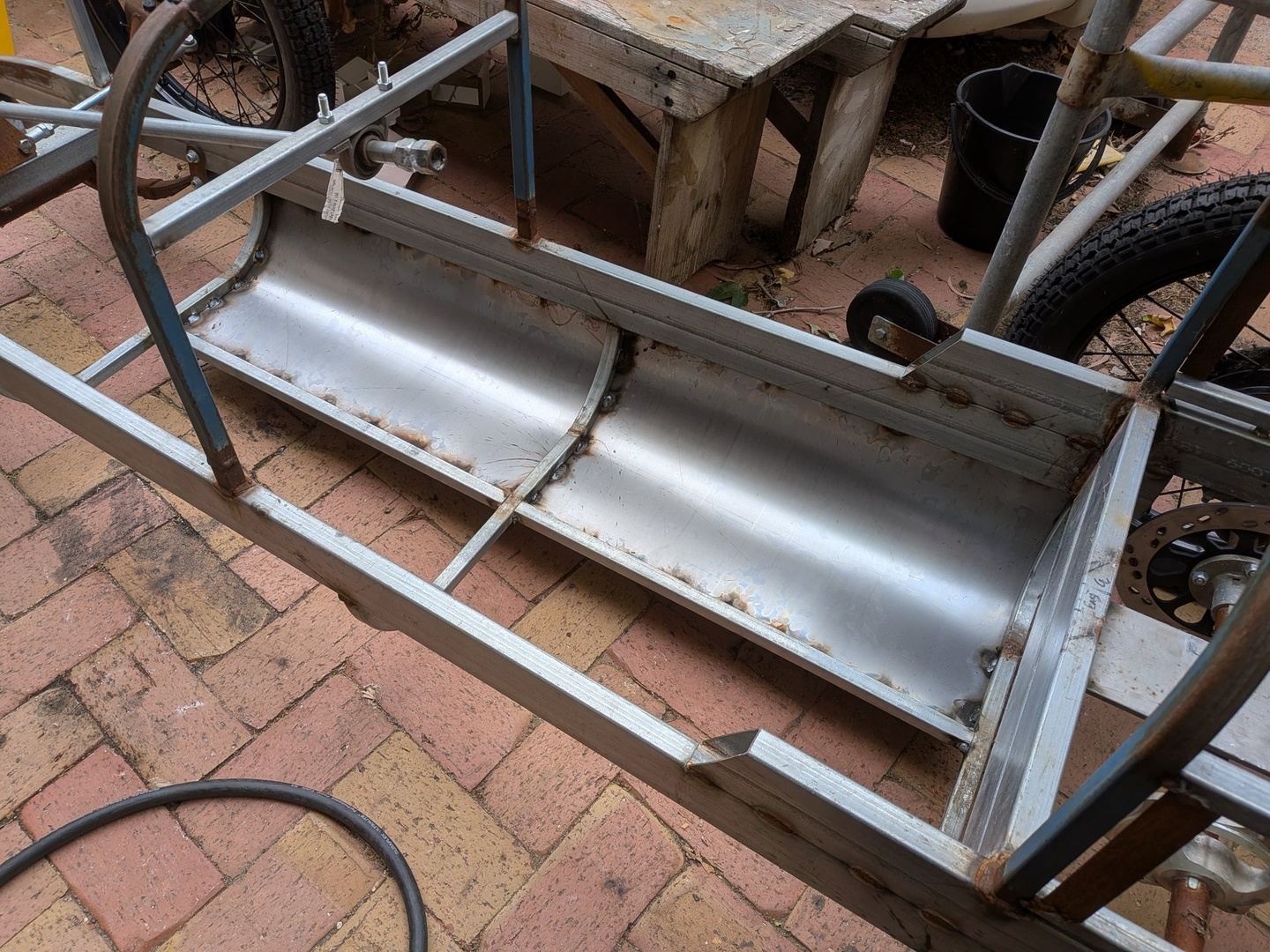
Today I finished off and welded on the belly pan frames. This also gave me a chance to put a floor in and try it on for size. Everything seems to be good as far as access and ground clearance is concerned. It also gave me the chance to figure out the height of the body and ponder proportions. The depth of the body at the dash hoop is 600mm, This is from the bottom of the belly pan to the top of the cowl. This is in line with the Stevensons plans (575mm nominal) and also the overlay that I made. However. The rear hoop needs to be a little higher than this to clear the engine. Plus, the front grille also needs to be a little taller so that it has the right proportions, as currently it is a little too squat. The body lines of the Bentley also have the rear cowl in line or in some cases lower than the front bodywork. Currently the rear hoop is 75mm higher than the front hoop, which obviously does not look right. I also squared off the rear of the chassis and mounted the engine. It's only tacked in at the moment as I think I am going to try and drop it a little lower in the frame. This will allow me to drop the rear hoop a little, which combined with raising the front hoop will bring everything in line. I'm hoping that this will give the correct overall proportions and be visually correct. I've got a full day to spend tomorrow so I want to try and get all of the chassis and steering stuff finished off so that its rolling and steering. That will leave me a couple of days to try and get some bodywork on it.
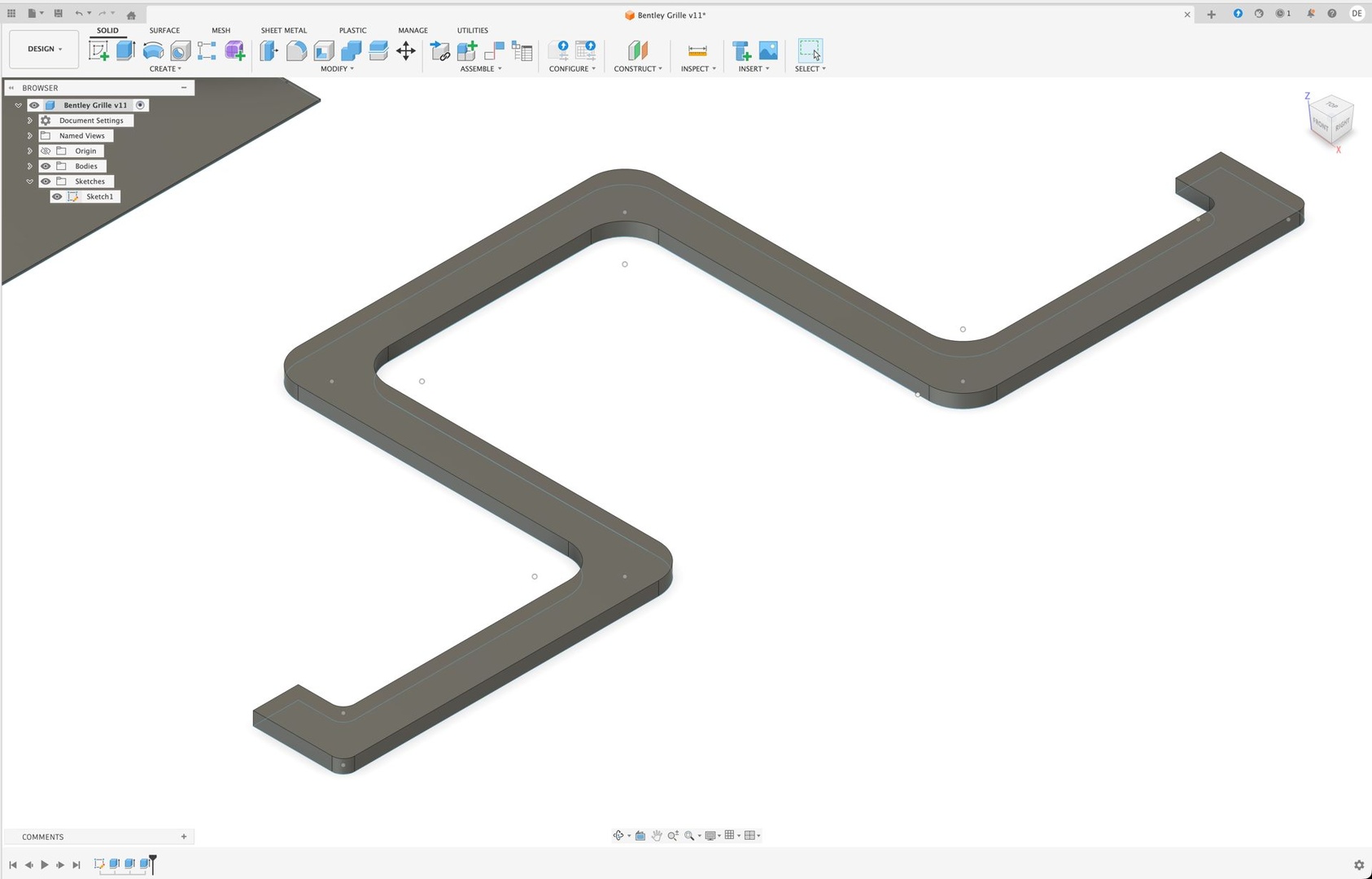
So I didn't get quite as far as I planned today. But still managed to get the rear bulkhead and dash hoop made up along with the belly pan frames. A fair bit of time was spent getting the tooling set up, which involved searching through boxes trying to find the right sized rollers for my rolling machine and dies for the mandrel bender. Was also the first time that I have used the rolling machine since purchasing it a year or so back for another project. So that was kinda cool. I did forego making up templates in favour of 'eyeing-it'. This kind of behaviour can obviously go one of two ways lol. Fortunately the profiles came out okay. The trick is to make the bends up in sections and then chop them at the 'apex' before stitching them together, rather than trying to bend them up out of one continuous piece. You do need to plan your bends and also get a little bit of wastage, but steel is cheaper than time so it's a good tradeoff. There is so much variation between the actual full sized cars that a little 'artistic license' is not going to make a big difference. Plus to a degree I'm limited with the radius of the mandrel bender. I still need to set the height of the bulkhead and dash hoop, but cannot really do that until the belly pan frames are installed. These need to be in place so that I can get judgement of the overall body height from the bottom of the pan to the top of the hood. Scaling from my overlay the dash hoop is supposed to be correct, but it looks a little too low, which I think is just an optical illusion with the belly pan frames missing. The belly pan frames are simply small hoops that sit underneath the chassis rails to give the sills that rolled under look and drop the floor down below the chassis. I'll weld some 2mm steel plate to the bottom for the floor and extend the bodywork down to meet the floorpan. Tomorrow I should get those parts stitched up and take a look at the grille hoop. I have a bit of an idea on how to make up the grille surround, but again I'm going to try and wing-it a little as I don't have the luxury of time to build a buck.
Loading...
No more posts.